
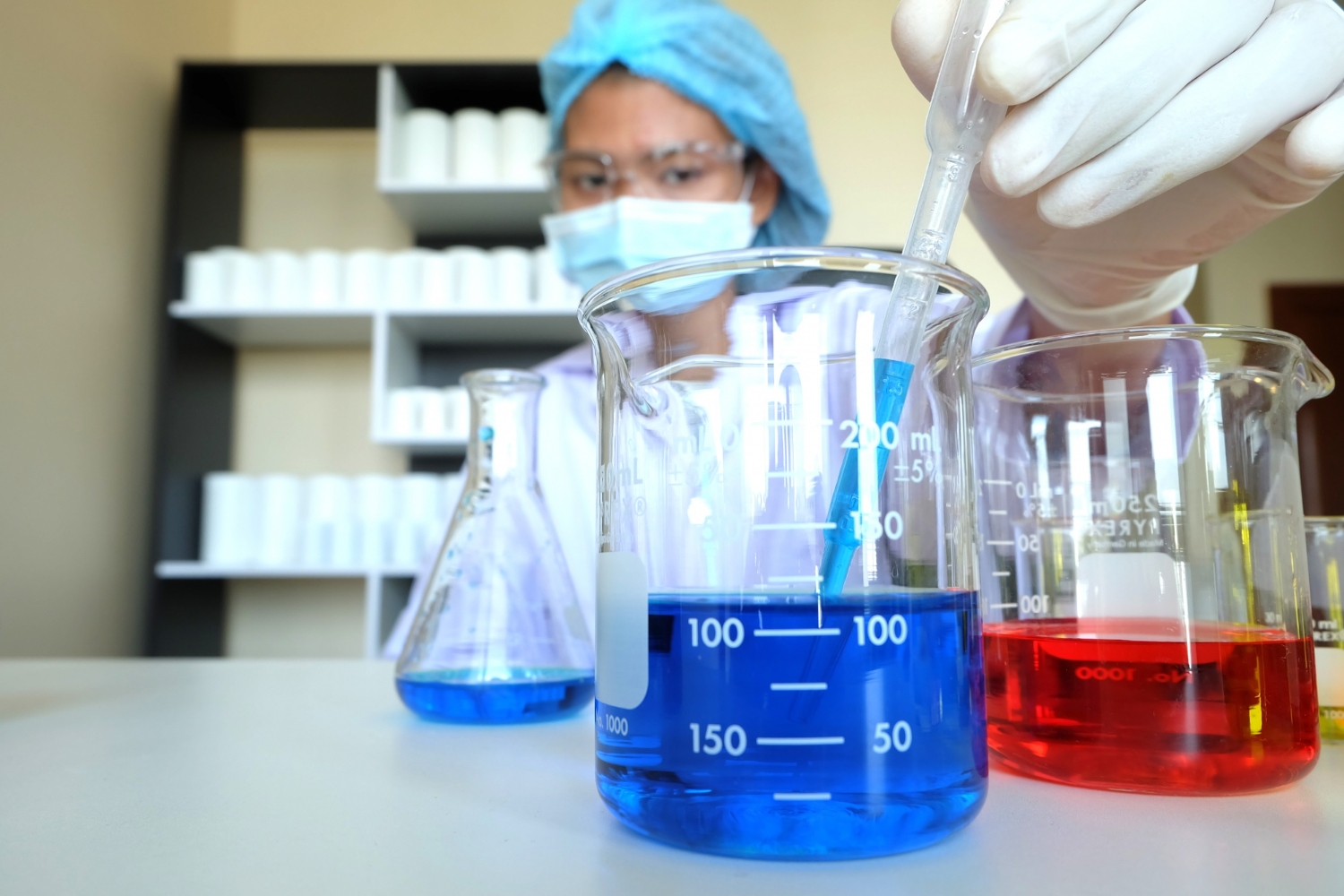
Learn how choosing the right grade of acetonitrile improves accuracy, protects instruments, and ensures reliable results in acetonitrile HPLC analysis.
The quality of results in a laboratory often depends on small choices that are easy to overlook. One such choice is the grade of solvent used during analysis. Selecting the right acetonitrile grade can directly influence accuracy, instrument performance, and overall testing reliability. When the correct grade is used, labs see stable results, fewer errors, and smoother workflows.
This becomes especially important in techniques such as acetonitrile HPLC, where purity levels affect every reading. Even minor impurities can interfere with detection, damage columns, or lead to inconsistent data. To understand why this happens, it is important to first look at the different grades of acetonitrile available and what distinguishes them.
Understanding Acetonitrile Grades
Not all acetonitrile used in laboratories is the same. Different grades are designed for different levels of testing and precision.
Common Grades Available
- Technical Grade: Used mainly for industrial purposes. It may contain higher levels of impurities and is not suitable for sensitive lab analysis.
- Analytical Grade: Better purity than technical grade. Suitable for routine lab work, but may not meet the strict needs of advanced analytical techniques.
- HPLC Grade: This grade is specially purified for chromatographic applications. Acetonitrile HPLC grade offers low impurities, controlled UV absorbance, and consistent performance, which are important for accurate separation and detection.
- Ultra Gradient Grade: A higher level of purity within HPLC applications. It ensures very low background noise and improved reliability during gradient analysis.
What Makes HPLC Grade Different?
Compared to lower grades, acetonitrile HPLC grade is produced to meet strict quality standards. It contains fewer trace contaminants and provides stable performance across batches. Many laboratories prefer well-known quality benchmarks, such as acetonitrile JT Baker standards, when precision and reliability are critical.
5 Benefits of Selecting the Right Grade of Acetonitrile
1. Higher Accuracy in Analytical Results
Lab results are only as good as the chemicals used. If acetonitrile contains impurities, it can create extra signals or unclear peaks during testing. This makes results harder to read and can lead to mistakes. Using high-purity acetonitrile in HPLC helps keep the baseline clean and allows compounds to separate properly, yielding clearer, more reliable data.
The right grade also keeps results consistent. When tests are repeated, the results remain consistent because the solvent quality does not change. This is why many labs follow strict purity standards and choose trusted quality references like acetonitrile JT Baker when accuracy and dependable performance are important.
2. Protection of HPLC and Analytical Instruments
Solvent quality not only affects test results. It also affects the health of laboratory instruments. Lower-grade solvents can carry small particles or residues that slowly block columns and damage internal parts. This increases pressure in the system and leads to more maintenance.
A clean solvent designed for chromatographic work reduces this risk. Many labs using acetonitrile HPLC notice smoother runs, fewer breakdowns, and longer column life. Choosing a solvent that meets trusted purity standards, such as JT Baker acetonitrile standards, can help protect valuable equipment.
3. Improved Sensitivity and Detection
In many tests, labs need to detect very small amounts of a substance. If the solvent contains impurities, it can create background noise that hides these small signals. This makes trace-level detection difficult.
High-purity solvent improves clarity during analysis. A stable and clean baseline allows minor compounds to appear more clearly. This is one reason acetonitrile, HPLC grade, is widely used in research, pharmaceutical testing, and food analysis, where detection limits are stringent.
4. Better Compliance with Testing Standards
Industries like pharmaceuticals and environmental testing must adhere to strict quality standards. Using the wrong solvent grade can compromise data reliability and lead to audit issues.
Choosing the right solvent quality is important for good lab practices. Many labs pick solvents like acetonitrile JT Baker to ensure consistent testing standards and reliable results.
5. Cost Efficiency in the Long Run
A lower price per bottle might seem appealing, but low-quality solvents can lead to higher overall costs due to repeated testing, column replacements, and instrument repairs.
When the correct grade is used for analysis, work runs more smoothly. Labs that use acetonitrile in HPLC often experience fewer interruptions and less waste. Over time, selecting a reliable purity level, often compared against acetonitrile JT Baker references, helps reduce hidden operational costs.
How to Choose the Right Acetonitrile Grade for Your Application?
Choosing the right grade of acetonitrile depends on your lab’s work. Different tasks require different purity levels, and using an incorrect grade can affect performance and costs.
- Consider the Type of Analysis
Routine lab tasks might not need super pure solvents, but techniques like chromatography demand very clean solvents. Using HPLC-grade acetonitrile is recommended because it helps keep baselines stable and gives clear results.
- Check Instrument Sensitivity
Modern analytical instruments are highly sensitive, and even tiny impurities can disrupt readings or damage components. To ensure accurate measurements and protect equipment, it’s important to use a pure solvent like acetonitrile JT Baker if you’re using advanced methods.
- Look at Regulatory Requirements
Labs in pharmaceuticals, food testing, or environmental monitoring follow strict guidelines. The right solvent grade is important for reliable data and proper documentation, helping to avoid compliance problems.
- Evaluate Supplier Consistency
Consistent results between batches are vital. Changes in solvent quality can impact test outcomes. A reliable supplier helps ensure that each batch remains the same, which is important for uniform testing.
Picking the right grade of acetonitrile is crucial, as it impacts accuracy, safety, detection quality, compliance, and lab efficiency. High solvent purity leads to better analytical results, less maintenance, and cost savings over time. Choosing the right acetonitrile HPLC-grade is crucial for accurate testing and reliable results.
At Lab Chemicals, we know how important solvent quality is for labs doing analytical work. We provide high-purity solvents that ensure consistency for critical applications. Our products meet recognized quality standards, like acetonitrile JT Baker, to help labs run smoothly and get reliable test results.