
What is a pH Calibration Solution and Why Do Laboratories Depend on It?
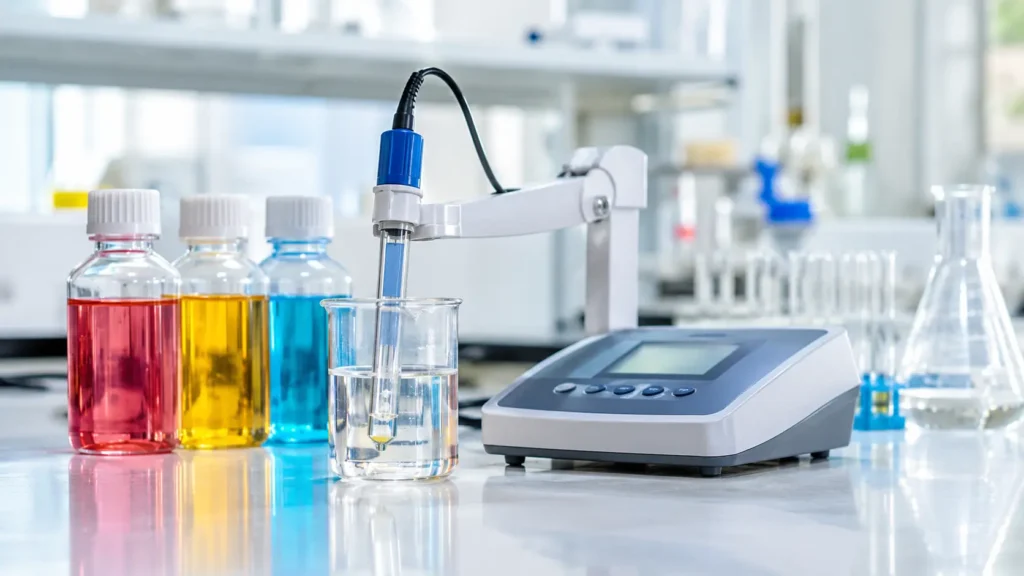
Every pH reading in a laboratory rests on a reference. The pH meter itself has no built-in knowledge of what pH 4 or pH 7 looks like. It has to be taught, and the teacher is a pH calibration solution. Without it, a meter produces numbers, but those numbers cannot be defended. This article explains […]
Why Is a TLC Plate Still the First Check in Most Labs?
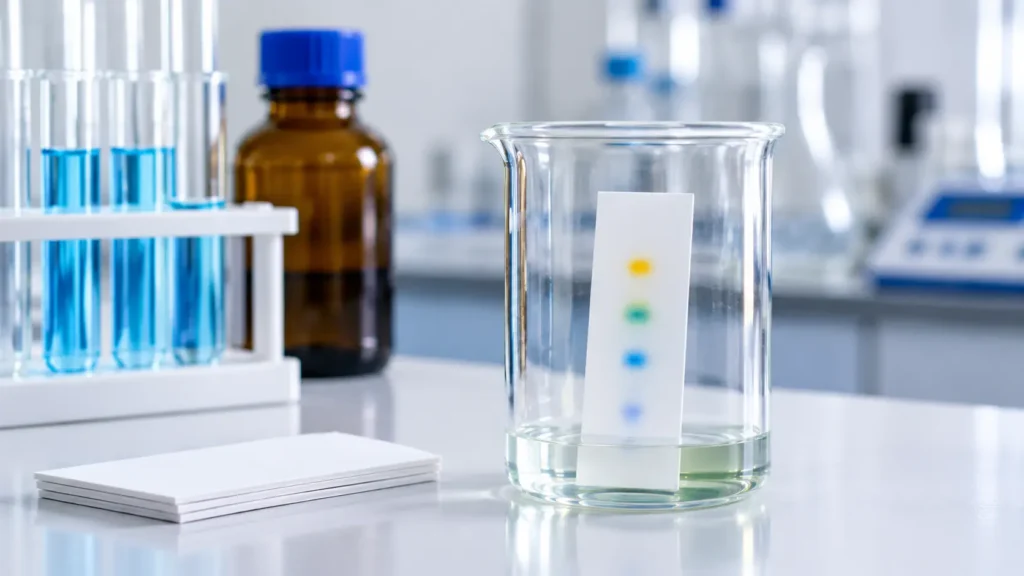
A reaction has been stirring since morning. Someone needs to know whether it is finished, and the answer is needed in ten minutes, not tomorrow. Nobody books instrument time for that. They take a small strip of coated plate, a capillary and a jar of solvent. Thin layer chromatography has been around for decades. In […]
How Magnetic Stirrers Ensure Consistent Mixing and Controlled Heating in Laboratories
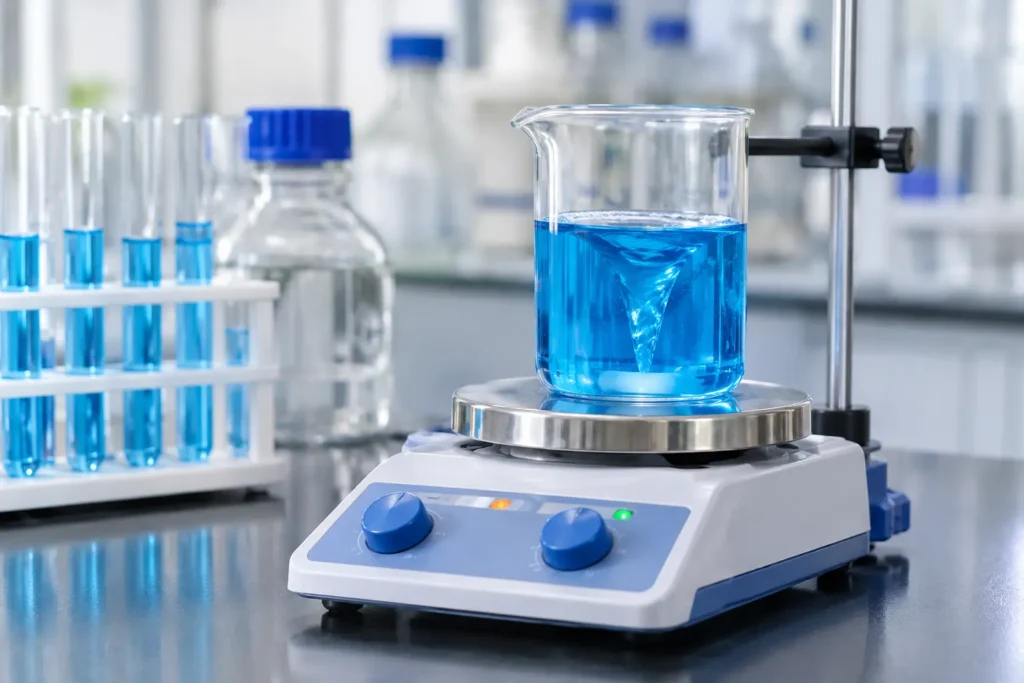
Reproducibility is the quiet standard behind every credible laboratory result. Analysts spend considerable effort controlling balances, pipettes and reagents, yet mixing and heating are often treated as routine steps that need little attention. In practice, they shape how evenly a solid dissolves, how uniformly a reaction proceeds and how comparable one batch is with the […]
Understanding CAS Numbers and Their Importance in Chemical Identification
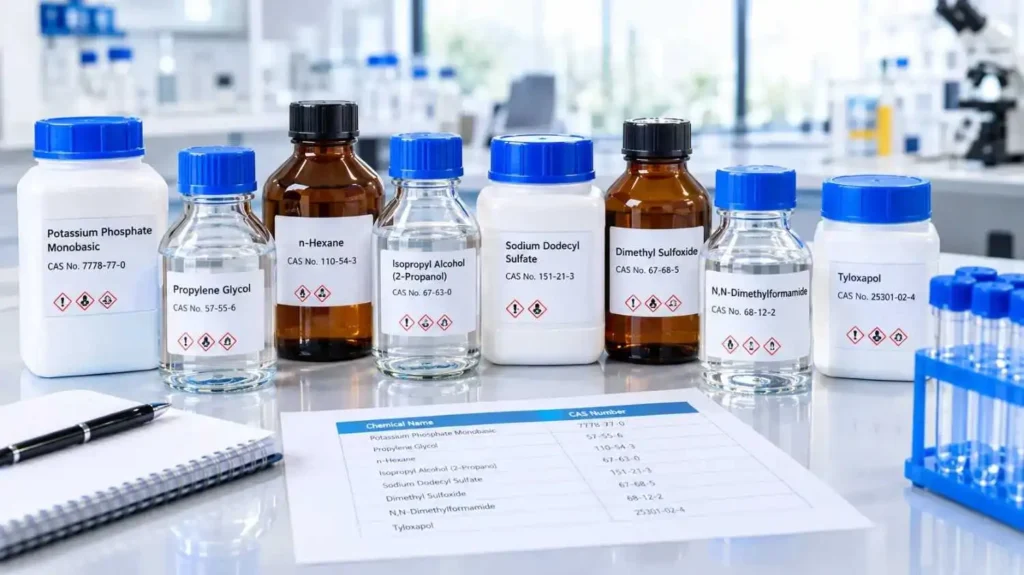
Chemical names can vary across laboratories, suppliers, research papers, safety documents, and product catalogues. A substance may have a common name, systematic name, abbreviation, or commercial name. This can make accurate identification difficult, especially when several substances have similar names. A CAS number provides a consistent reference for identifying a chemical substance. It is widely […]
Choosing the Right HPLC Solvents for Analytical and Pharmaceutical Applications
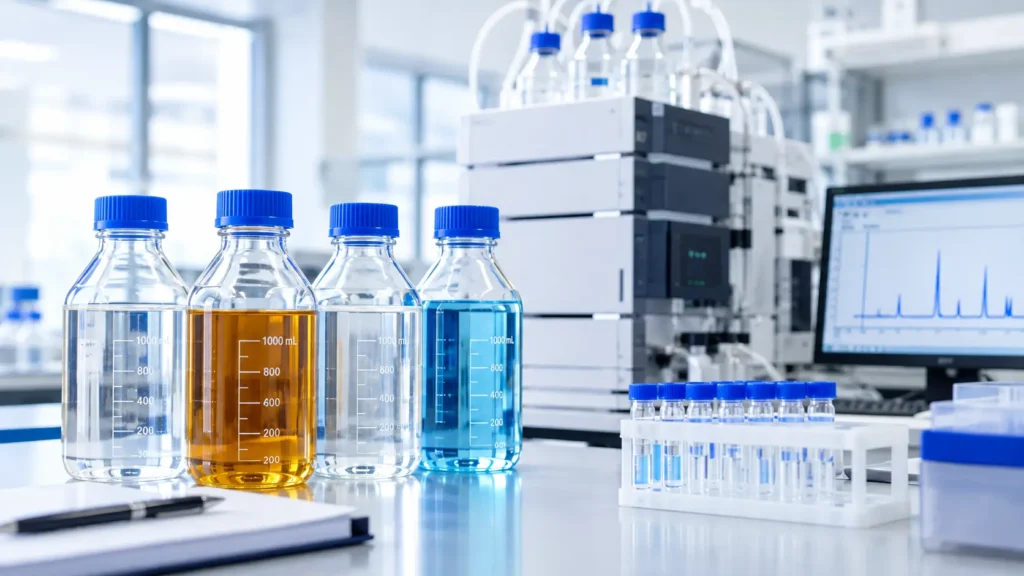
Solvent choice can change the way an HPLC method performs. The mobile phase can affect retention time, peak shape, system pressure, and detector response. Even when the method is established, solvent quality and specifications remain important. This makes HPLC solvent selection more than a choice based on polarity or common laboratory use. The column, detector, […]
What Is the Key Difference Between Whatman Filter Paper and Normal Filter Paper?
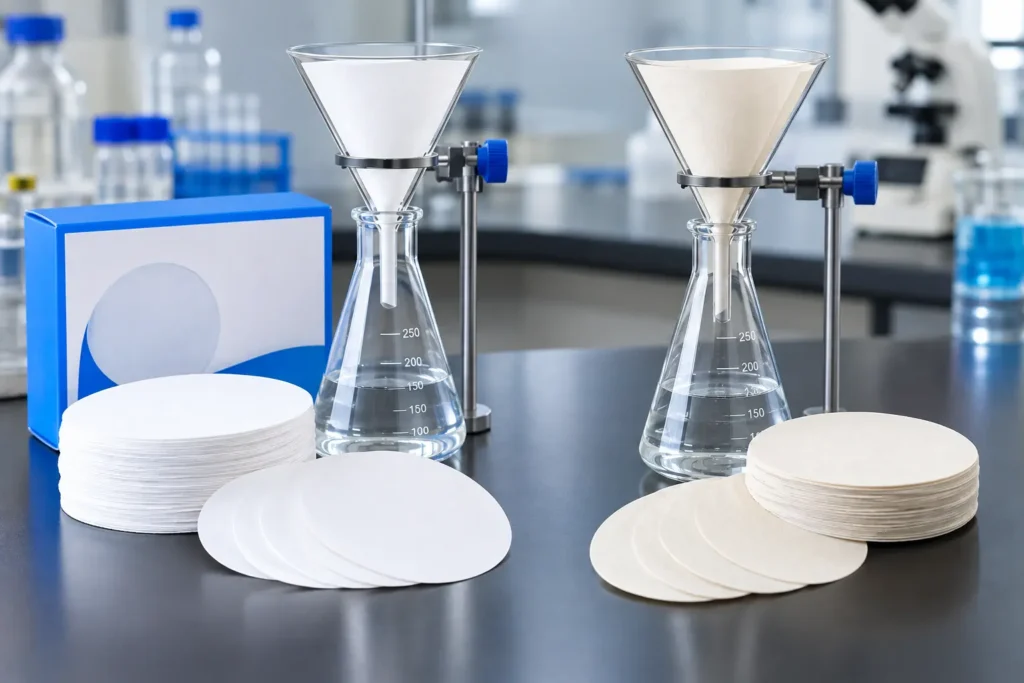
Laboratories use filter paper to separate solid particles from liquids during sample preparation, testing, and analysis. Although different filter papers may look similar, their performance can vary based on factors such as pore structure, retention capacity, flow rate, thickness, and manufacturing consistency. Whatman filter paper is produced in defined grades for specific laboratory applications. Normal […]
How to Check the Purity of n-Hexane Before Use in Your Lab?
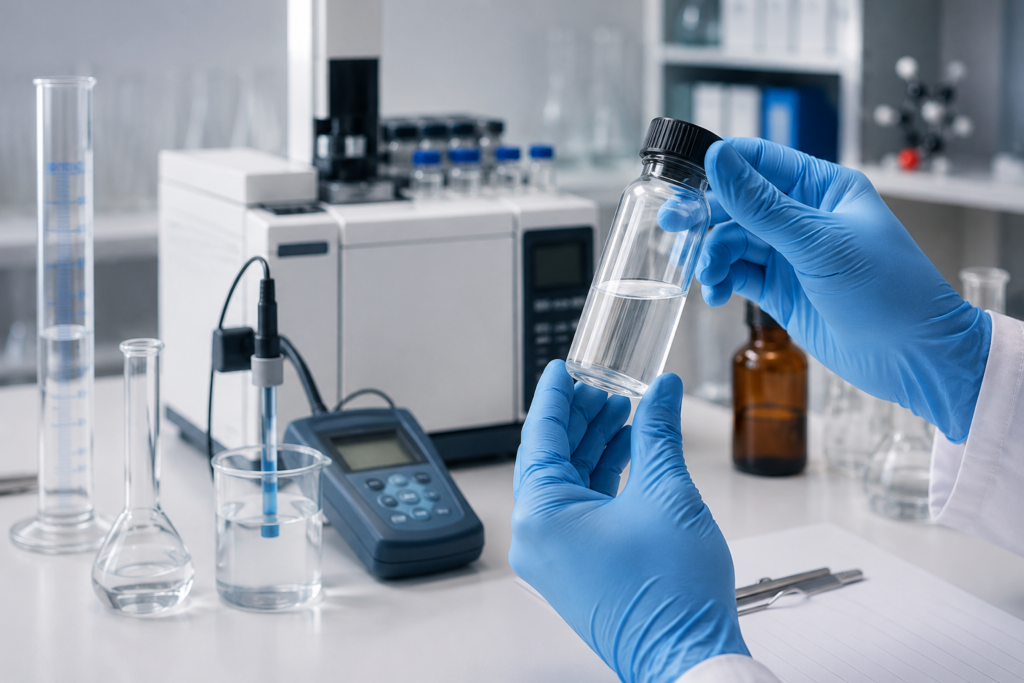
Laboratory solvents play an important role in sample preparation, extraction, chromatography, and chemical analysis. Their quality can directly affect the accuracy and consistency of laboratory results. Even a small amount of an unwanted substance can interfere with a sensitive procedure, especially when the solvent is used for analytical testing. n-hexane is a widely used organic solvent in laboratories, […]
Signs Your Lab Balance Needs Servicing or Replacement
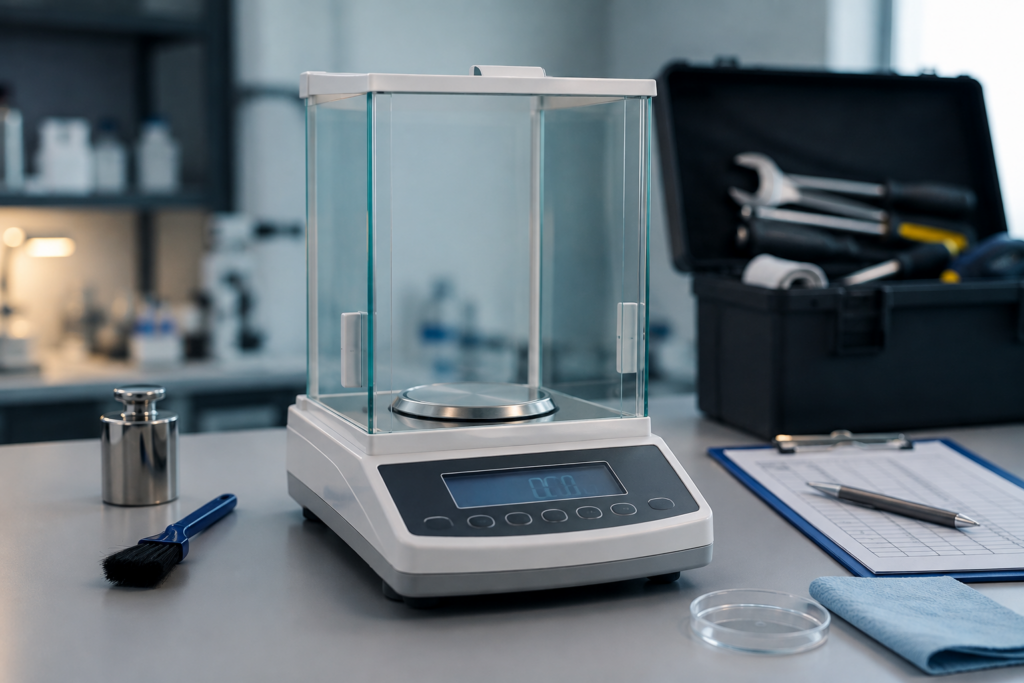
Accurate weighing is essential in laboratories where measurements support research, testing, formulation, quality control, and production. Even a small weighing error can affect later steps in a process. A weighing balance for laboratory applications should therefore provide stable and repeatable readings during regular use. A balance may not stop working completely when its performance starts […]
Role of Plastic Petri Dishes in Pharmaceutical Microbial Limit Testing
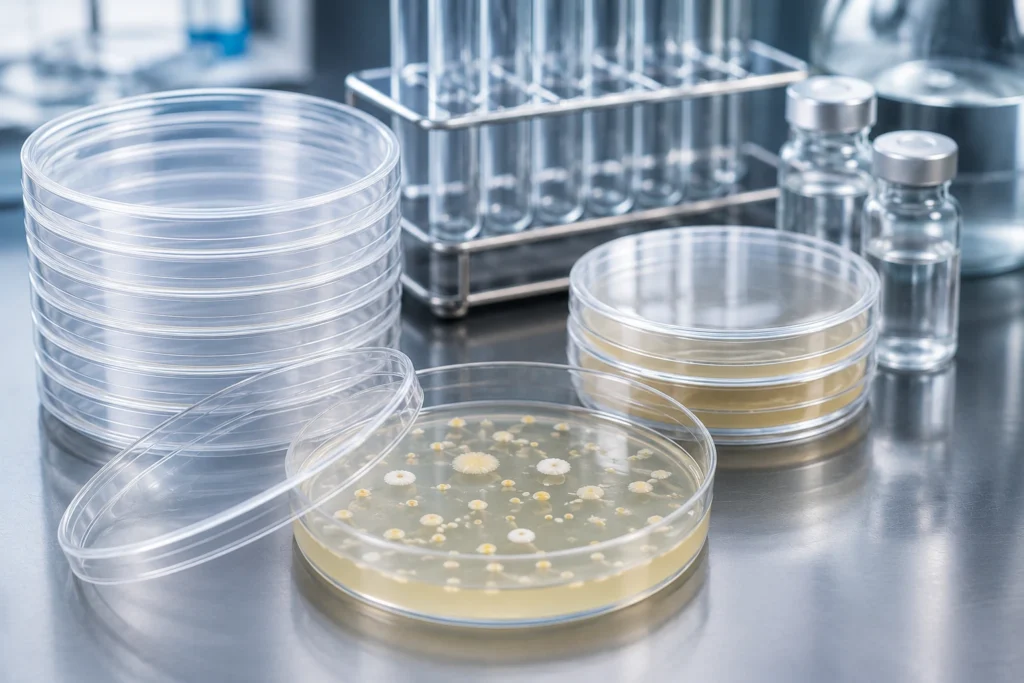
Pharmaceutical products must meet strict quality and safety standards before they reach the market. One important part of pharmaceutical quality control is microbial limit testing. This testing helps laboratories assess the microbial quality of non-sterile pharmaceutical products by detecting and quantifying viable microorganisms. Petri dishes are widely used in microbiology laboratories for culture-based testing. They provide a […]
Petri Dishes Explained: Everything You Need to Know
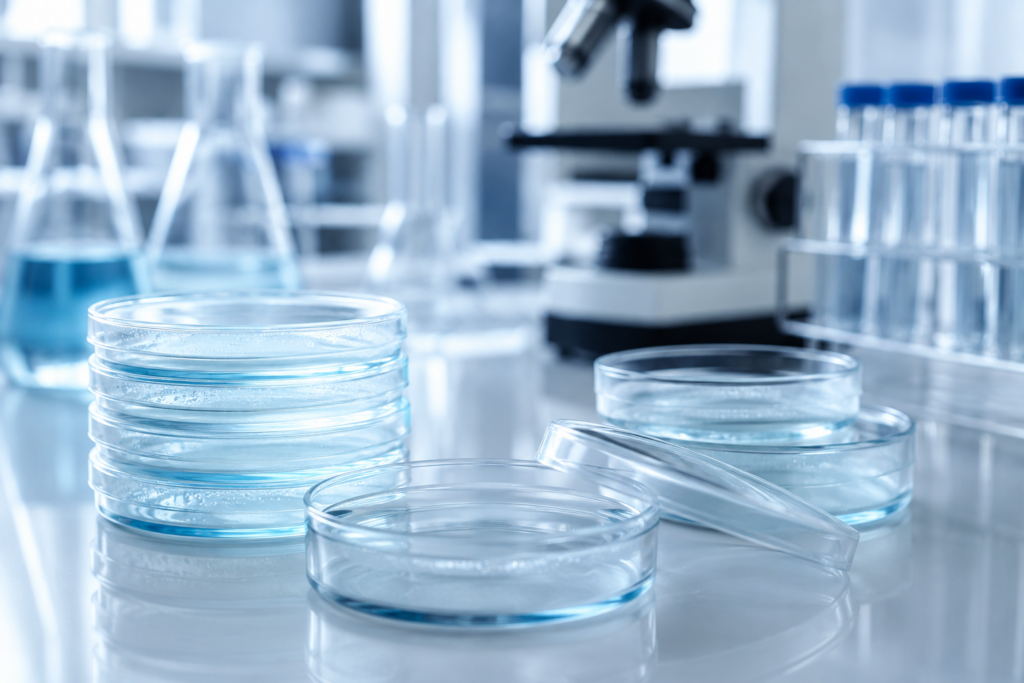
A petri dish is one of the first things people notice in a laboratory. It looks simple, but it supports many important tasks. Schools use it for teaching. Research centres use it for testing. Pharma companies use it during different stages of work. Over the years, laboratories have moved from glass dishes to disposable petri dishes because they save time and reduce […]