
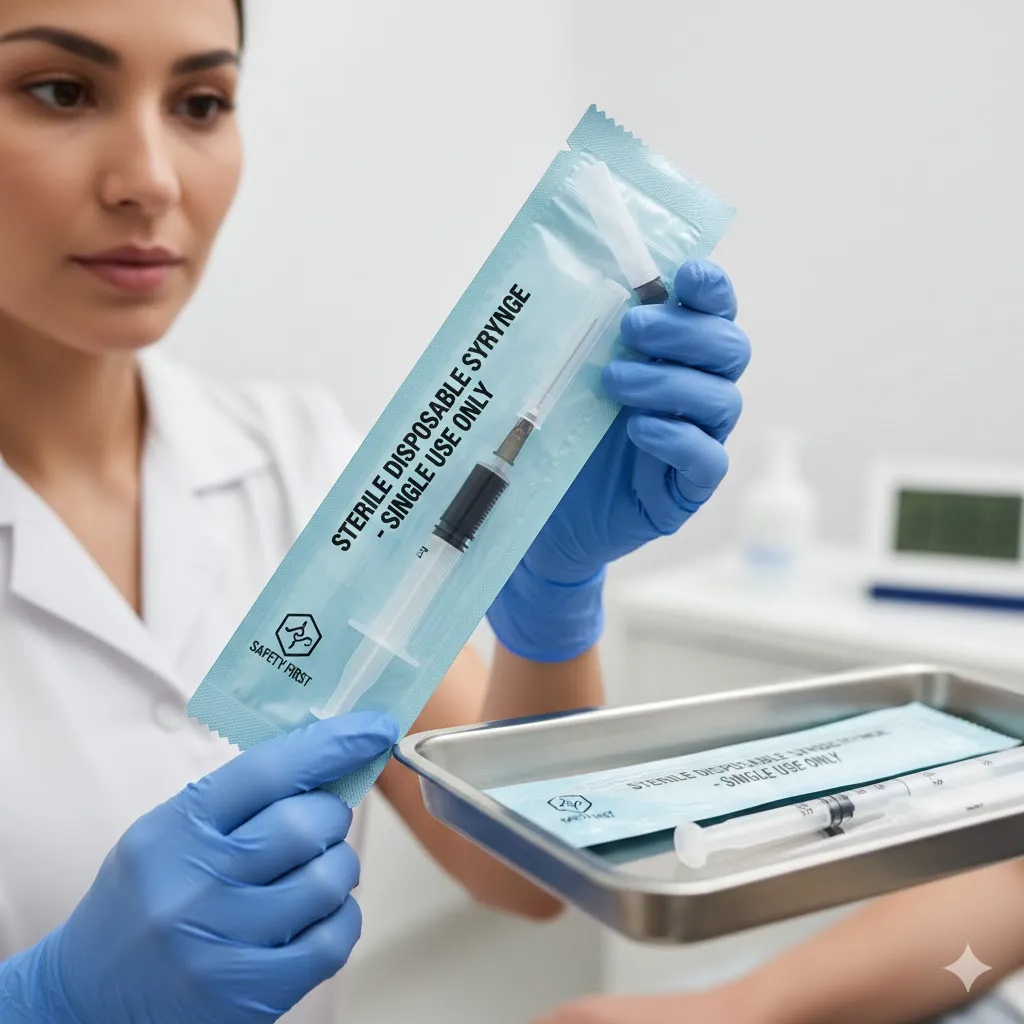
Preventing infections starts with the right medical tools, and understanding the role of plastic syringes helps explain their growing preference among healthcare professionals.
Safe injections are a basic yet essential part of healthcare. From routine vaccinations to critical treatments, every injection must be administered with care to avoid infections and complications. Using a sterile disposable syringe is key to maintaining patient safety and preventing cross-contamination.
Healthcare professionals prefer disposable syringes because they are designed for single use and come pre-sterilized. A plastic disposable syringe eliminates the risk associated with reuse and supports consistent hygiene practices across hospitals, clinics, and diagnostic centres.
As healthcare standards continue to evolve, the demand for reliable injection tools has increased. This blog explains why plastic syringes are widely trusted by medical professionals and how they contribute to safer injection practices in everyday healthcare settings.
Understanding Sterile Disposable Syringes
A sterile disposable syringe is designed to be used only once and then safely discarded. It is manufactured under controlled conditions and sealed to maintain sterility until use, helping to reduce the risk of infection.
Most disposable syringes are made from medical-grade plastic that is lightweight and easy to handle. This makes a plastic disposable syringe suitable for accurate dosing and smooth injection delivery during medical procedures.
Because these syringes are meant for single use, they remove the need for cleaning or re-sterilization. This helps healthcare professionals focus on patient care while maintaining consistent hygiene standards across medical environments.
The Importance of Safe Injection Practices
Safe injection practices protect both patients and healthcare professionals. Even a small lapse in hygiene can lead to infections, needle-stick injuries, or the spread of harmful pathogens.
Key reasons injection safety cannot be overlooked include:
- Prevention of Infections: Using a sterile disposable syringe helps stop the transfer of bacteria and viruses between patients.
- Protection for Medical Staff: Single-use syringes reduce exposure to contaminated needles.
- Consistency in Care: A plastic disposable syringe ensures accurate dosing with every injection.
- Compliance with Safety Standards: Proper injection practices support hospital and clinical hygiene guidelines.
Maintaining safe injection habits is essential for delivering reliable healthcare while minimizing avoidable risks.
What Makes Disposable Syringes the Preferred Choice
Healthcare professionals rely on disposable syringes because they simplify daily medical procedures and support safety at every step.
This preference is driven by several practical factors:
- Single-Use Design: A sterile disposable syringe is used once and discarded, removing any chance of reuse-related contamination.
- Ready for Immediate Use: Pre-sterilized syringes save time during busy medical routines.
- Reliable Performance: Plastic syringes offer smooth plunger movement and clear measurement markings.
- Lower Risk of Errors: Disposable syringes reduce handling steps, helping minimize procedural mistakes.
By using disposable syringes, healthcare facilities maintain efficiency while ensuring injections remain safe and hygienic.
Common Disposable Syringes Used in Healthcare
Different medical procedures require different syringe types. Choosing the right plastic disposable syringe ensures accurate dosing and safe injection delivery.
The most frequently used disposable syringes are:
- Standard Disposable Syringes: Used for routine injections and medication delivery in hospitals and clinics.
- Insulin Syringes: Designed for precise insulin dosing with fine needles.
- Tuberculin Syringes: Used for skin testing and small-volume injections.
- Specialty Plastic Syringes: Designed for specific treatments and diagnostic procedures.
These plastic syringes are widely used because they offer consistency, ease of use, and reliable performance across healthcare settings.
How Disposable Syringes Help Prevent Infections
Preventing infections is a top priority in healthcare environments. Using single-use injection tools is important for maintaining hygiene during medical procedures.
Disposable syringes help reduce infection risks by:
- Eliminating Reuse: A sterile disposable syringe is discarded after one use, preventing cross-contamination.
- Maintaining Sterility: Sealed packaging keeps the syringe free from external contaminants until use.
- Supporting Clean Procedures: Plastic disposable syringe designs allow safe handling with minimal contact.
- Reducing Exposure Risks: Proper use limits accidental contact with contaminated needles.
By limiting contamination points, disposable syringes support safer injection practices across healthcare settings.
Safe Handling and Disposal After Use
Once an injection is administered, safe handling becomes just as important as the syringe itself. Improper disposal can increase the risk of injuries and contamination.
Important practices to follow:
- Immediate Disposal: Used syringes should be discarded right after use to avoid accidental needle-stick injuries.
- Use of Biohazard Containers: Placing syringes in designated biohazard disposal bags helps maintain hygiene.
- Avoid Manual Handling: Never recap or bend needles after use.
- Follow Waste Management Guidelines: Proper disposal supports compliance with healthcare safety regulations.
Responsible disposal practices ensure that plastic syringes do not pose risks to medical staff, waste handlers, or the environment.
Factors to Consider When Selecting Disposable Syringes
When choosing a sterile disposable syringe, healthcare professionals need to evaluate several important factors to ensure safety, accuracy, and reliability. Selecting the right plastic disposable syringe can make a significant difference in patient care and procedural efficiency.
- Size and Volume Requirements:
Different medical procedures require syringes of specific capacities. Choosing the correct size ensures precise dosing and reduces the risk of errors.
- Quality and Sterility Checks:
Inspecting the packaging and checking for tamper-proof seals confirms that the plastic syringes are sterile and safe for use.
- Material and Durability:
High-quality medical-grade plastic provides durability, prevents breakage, and ensures smooth plunger operation.
- Compliance with Healthcare Standards:
Only syringes that meet local and international safety standards should be used to guarantee patient and staff protection.
- Ease of Handling:
A plastic disposable syringe should be easy to handle and allow accurate administration, even during high-pressure situations.
Evaluating these factors helps healthcare providers select syringes that support safe and effective procedures. Thoughtful selection also contributes to better workflow and reduced risk of contamination in clinical settings.
High Standards for Every Dose
Using a sterile disposable syringe is essential for maintaining hygiene and accuracy in medical procedures. These syringes reduce the risk of infection and help healthcare professionals deliver care safely and efficiently. Their design ensures every injection meets the required safety standards.
For healthcare providers looking for dependable solutions, Lab Chemicals offers premium plastic syringes that combine reliability and compliance. These products support smooth operations while upholding high standards in patient safety and clinical performance.
Selecting the right plastic disposable syringe ensures precise dosing and consistent results across medical settings. With careful use and proper handling, these syringes remain a trusted choice for healthcare teams worldwide.