
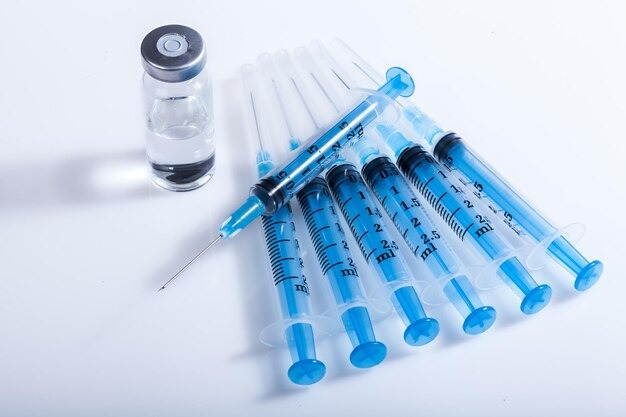
Understand why laboratories rely on plastic syringes for safe sample handling, reduced contamination, and efficient daily analytical work.
Accurate laboratory work depends on careful sample handling. Even small tools used during testing can affect the quality of results. Syringes play an important role in transferring samples, filtering solutions, and preparing materials for analysis. Because of this, many labs prefer using plastic syringes for routine analytical tasks.
They are easy to use, reduce handling risks, and support clean sample transfer. In environments where precision matters, having reliable, consistent tools helps maintain accurate results. This is why plastic syringes have become a trusted choice in many analytical laboratories.
What Are Plastic Syringes Used for in Laboratories?
In analytical labs, syringes are used in many daily procedures. They help transfer liquids accurately from one container to another without spilling or losing sample volume. Plastic syringes are commonly used because they are convenient and ready for immediate use.
They are also used in filtration processes, where samples pass through syringe filters before analysis. In some methods, a plastic disposable syringe is used to inject samples into analytical instruments. For applications that require a high level of cleanliness, a sterile disposable syringe helps ensure the sample remains free from contamination during handling.
Reasons Why Plastic Syringes Are a Trusted Choice
- Reduced Risk of Contamination
Avoiding contamination is very important in analytical testing. When tools are reused, leftover residue from previous samples can affect results. Using single-use syringes helps prevent this issue.
A plastic disposable syringe is used just once and then thrown away, which helps prevent contamination between samples. This is crucial in tests where even tiny amounts of impurities can affect the results. For sensitive work, a sterile disposable syringe adds another layer of safety by ensuring it is free of microbes and external particles before use.
- Lightweight and Easy to Handle
In busy laboratory environments, simple-to-use tools make daily work smoother. Plastic syringes are lightweight, which provides better control during liquid transfer. This helps technicians handle samples carefully, especially when working with small volumes.
Unlike glass, plastic does not break easily. This reduces the risk of accidents, sample loss, and injury in the lab. Because of its convenience and safety, many labs choose a disposable plastic syringe for routine analytical procedures.
- Cost-Effective for Daily Lab Operations
Labs often use syringes in large numbers every day. Choosing a solution that balances quality and affordability is important for managing operational costs.
Disposable options reduce the need for cleaning and sterilization equipment. This saves time and labor. Using plastic disposable syringes for routine tasks helps labs maintain efficiency while keeping expenses under control.
- Chemical Compatibility for Routine Lab Work
Many routine lab tasks involve handling solvents, buffers, and reagents. Plastic syringes are designed to be compatible with a wide range of commonly used laboratory chemicals.
For short-term analytical use, they remain stable and reliable during sample preparation. Their material supports safe handling and does not react with most standard lab solutions, making plastic syringes a practical choice for everyday testing.
- Sterility for Sensitive Applications
Some laboratory procedures require a very clean environment. This is common in biological testing, clinical labs, and microbiology work. In such cases, sterility becomes important.
A sterile disposable syringe is sealed and ready to use, keeping samples clean during handling. This helps prevent the introduction of unwanted particles or germs, which is important for sensitive samples.
Plastic vs Glass Syringes: When Plastic Is the Better Option
In analytical labs, both types are used, but their suitability depends on the task. Here’s a simple comparison:
| Factor | Plastic Syringes | Glass Syringes |
| Handling | Lightweight and easy to control during sample transfer | Heavier and require careful handling |
| Breakage Risk | Do not break easily, safer for daily lab use | Fragile and can break if dropped |
| Contamination Risk | Disposable use reduces carryover between samples | Must be cleaned properly to avoid residue |
| Maintenance | No cleaning required after use | Needs washing, drying, and storage care |
| Workflow Speed | Faster operations with ready-to-use options like plastic disposable syringe | Extra time needed for cleaning and reuse |
| Sterility Options | Pre-sterilized options like sterile disposable syringe available | Sterilization required before sensitive use |
For most routine analytical work, labs prefer plastic syringes because they are convenient, safer, and support faster lab processes. Glass syringes are generally reserved for specific cases where their properties are required.
How to Choose the Right Plastic Syringe for Your Lab?
Selecting the correct syringe depends on the type of work your lab performs. Different tasks require different features, so choosing the right option helps improve safety and accuracy.
- Consider the Volume Required
Syringes come in different sizes. Smaller syringes are better for precise control with small amounts, while larger ones are for moving bigger volumes. Choosing the right size helps prevent measurement mistakes.
- Check If Sterility Is Needed
Not all lab tasks need sterile tools. For basic chemical tests, regular options work fine. However, for biological or clinical work, using a sterile disposable syringe is important to keep samples pure and avoid contamination.
- Look at Tip Type
Some syringes have Luer lock tips for a secure fit, while others have slip tips for easy attachment. The choice depends on the equipment and filters you are using.
- Match with the Application
For everyday analytical procedures, a plastic disposable syringe is convenient and efficient. It supports smooth sample handling without requiring cleaning after use.
- Ensure Material Compatibility
Make sure the syringe material is suitable for the chemicals being handled. Plastic syringes are compatible with many common lab solvents used in routine analysis.
In analytical labs, reliability depends on selecting the right everyday tools. Syringes are small but important because they impact sample handling, cleanliness, and workflow. Their lightweight design, reduced risk of breakage, and ready-to-use nature make them suitable for routine lab operations. Options such as plastic syringes support safe and convenient liquid transfer, helping labs maintain consistent working conditions.
We at Lab Chemicals understand that laboratories need dependable consumables that simplify daily processes without compromising quality. Our range includes carefully designed syringe options suitable for analytical applications, including solutions comparable to plastic and sterile disposable syringes for sensitive work. We offer simple lab supplies for easy operation and dependable sample handling.