Product Code
Product Name
CAS No.
Packing Size
Brand
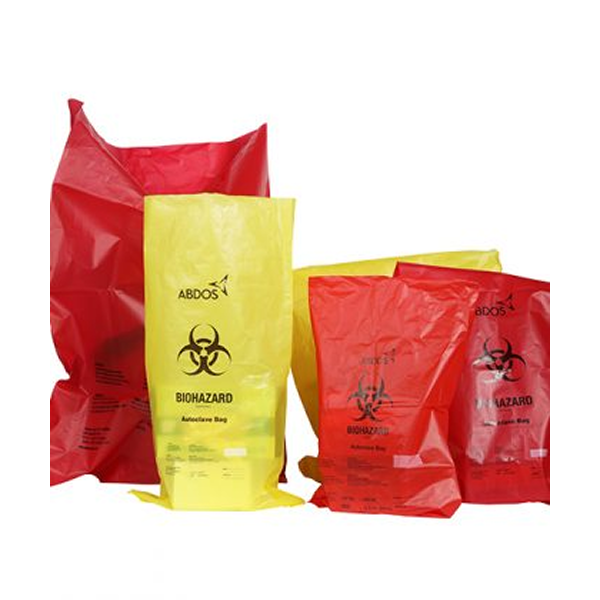
Biohazard disposable bags are essential for the safe collection, storage, and disposal of infectious and hazardous laboratory waste. These PP biohazard waste bags are manufactured from durable polypropylene (minimum 50 micron film thickness) with a printed biohazard symbol for clear waste stream identification. Sized at 25×35 inches to accommodate large volumes of clinical and laboratory waste, they are supplied 200 bags per packet. Suitable for use in research laboratories, hospitals, pharmaceutical manufacturing units, and diagnostic centres, they support compliance with India’s Bio-Medical Waste Management Rules 2016 (BMW Rules). Lab Chemicals supplies these biohazard disposable bags with pan-India delivery and short lead times.
Biohazard disposable bags are single-use containment bags designed to segregate, transport, and dispose of biological, infectious, and hazardous waste generated in laboratories, hospitals, and healthcare facilities. Unlike general waste bags, biohazard disposable bags are manufactured to a minimum specified film thickness, printed with internationally recognised biohazard symbols, and colour-coded according to the waste category as mandated under Schedule I of India’s Bio-Medical Waste Management Rules 2016. Their strong, leak-resistant polypropylene construction prevents accidental release of infectious materials during collection, transport, and prior to final treatment.
These bags do not replace autoclavable bags the two serve different functions. Autoclavable bags are used for waste that must be steam-sterilised before disposal. Biohazard bags are used for waste destined for incineration, or for already-autoclaved waste awaiting collection.
India's Bio-Medical Waste Management Rules 2016, Schedule I mandates specific bag colours for different categories of biomedical waste. Using the correct colour is a legal requirement for all biomedical waste generators — laboratories, hospitals, diagnostic centres, and pharmaceutical manufacturers included.
Yellow is the most widely used colour category under BMW Rules 2016. Yellow biohazard waste bags are used for:
Yellow waste goes to incineration or plasma pyrolysis. These bags must carry the biohazard symbol and must not be used for general or recyclable waste.
Red biohazard bags are used for contaminated recyclable waste (Category 3) — items such as tubing, catheters, IV sets, syringes without needles, and other plastic waste contaminated with blood or body fluids. Red bag waste goes to authorised recyclers after disinfection. Note: used plastic disposable syringes without needles are red-category waste under Schedule I of the BMW Rules 2016.
Contact us to confirm colour variants available in the 25×35 inch, 200/packet format.
Manufactured from minimum 50 micron polypropylene film, these biohazard waste bags resist tearing and puncturing during collection and transport of sharp-edged or heavy laboratory waste. The seams are heat-sealed to prevent leakage of liquid waste or body fluids. Polypropylene maintains its structural integrity at room temperature and during refrigerated storage important for facilities that hold waste pending scheduled collection.
The internationally recognised biohazard symbol is printed on each bag, enabling immediate identification of the waste stream and preventing accidental mixing with general waste. The writeable panel allows laboratory and ward staff to record the date of sealing, originating department or lab ID, waste category, and responsible person supporting the traceability documentation required under BMW Rules 2016 for biomedical waste generators.
These bags comply with the colour, thickness, and labelling requirements of Schedule I of the Bio-Medical Waste Management Rules 2016 (as amended by the 2018 and 2019 notifications). Using BMW-compliant bags is a legal requirement for all healthcare establishments and laboratory facilities generating biomedical waste in India. Compliance supports inspection by State Pollution Control Board (SPCB) officers and demonstrates adherence to the National Guidelines for Safe Management of Wastes from Healthcare Activities.
These biohazard disposable bags are compatible with standard biomedical waste management protocols at facility level including pedal-bin lined collection, wheeled trolley transport to the storage area, and handover to authorised common biomedical waste treatment facility (CBWTF) operators for final treatment.
In hospitals, biohazard waste bags are used at ward level for yellow-category soiled waste (dressings, blood-contaminated linen, expired drugs) and red-category contaminated recyclables. Each ward or department typically uses colour-coded pedal bins lined with the appropriate BMW-compliant bag, which is sealed, labelled, and transferred to the facility's on-site storage room for collection by the authorised CBWTF operator.
In diagnostic and pathology laboratories, biohazard waste bags collect contaminated gloves, culture plates after autoclaving and cooling, used sample tubes, and other infectious labware. Microbiology departments typically use yellow bags for culture material going to incineration, and red bags for contaminated plastic labware going to authorised recycling. In pharmaceutical quality control laboratories, waste from microbiological testing environmental monitoring plates, bioburden samples, sterility testing materials is segregated using yellow and red category bags depending on the waste destination.
Pharmaceutical manufacturers generating biological waste under Schedule II of the Drugs and Cosmetics Act and BMW Rules require documented waste segregation. Biohazard disposable bags support GMP waste management SOPs and provide the traceability documentation needed for regulatory inspections. Pharmaceutical facilities handling APIs that are food grade chemicals or biological excipients may also generate waste streams requiring yellow-bag segregation under BMW Rules.
Lab Chemicals supplies laboratory consumables, safety products, and biomedical waste management materials to pharmaceutical manufacturers, NABL-accredited testing laboratories, hospitals, and research institutions across India for over three decades. We supply biohazard disposable bags in the 25×35 inch, 200/packet format with short lead times and pan-India delivery. Our team can advise on compatible waste management products including autoclavable bags for steam-sterilisable waste streams, sharps containers, and biohazard labels enabling complete BMW-compliant waste management procurement from a single supplier.