Every laboratory, hospital and research facility should manage their biological waste following certain laws and regulations for the sake of their waste disposal. When this does not take place, people will experience a disease outbreak because their bodies will become infected. The most effective method to eliminate these dangers involves autoclaving, which uses steam sterilisation for heat and pressure treatment. The method achieves waste treatment success when users select appropriate materials, which include the bags used for waste containment.
The selection of a biohazard trash bag that can be placed inside an autoclave is dependent on the consideration of three elements. These are the heat tolerance of the bag, its durability, and the impact it would have on the environment. The utilisation of an improper bag in the sterilisation process is accompanied by two consequences, namely, the melting of bags and the bursting of bags, which lead to risks for people and the environment.
Understanding Biohazard Waste and Its Risks
Biohazardous waste refers to all those wastes that have been infected with disease-causing organisms, which pose a threat to human health. This may include cotton swabs that are soaked in blood, surgical equipment, needles, etc. Bacteria are stored in laboratories using bacterial culture and contaminated equipment. Research facilities and pharmaceutical companies treat all animal-derived materials as biohazardous waste.
The danger exists because people fail to separate materials correctly while storing them improperly. A standard plastic bag cannot withstand the rigours of sterilisation. The autoclave chamber heat will cause the material to melt or tear, which results in pathogen spread. The design of specialised autoclavable plastic bags has become essential because these bags maintain containment until the sterilisation process reaches its final stage of completion.
What Makes a Bag Autoclavable?
This technique involves the heating of certain materials within the range of 121°C to 134°C for between 15 and 30 minutes. A bag meant for this process must possess several qualities:
- Resistance to Heat: The bag should resist any form of change due to the impact of heat and moisture.
- Durable Polymer Structure: The bag is durable due to its structure, which is formed by polypropylene and high-density polyethene.
- Leak-proof Design: This helps in ensuring that the whole process of sterilisation takes place effectively.
- Bio-hazard Labelling: The label makes it possible for one to identify and segregate any hazardous biological substances.
- Waste Management Compliance: In India, every protocol for biomedical waste management requires that different categories of waste be distinguished using selected colour codes and appropriate waste disposal containers.
Key Materials Used in Autoclave Waste Bags
Different types of plastics exist because manufacturers create distinct plastic materials, which result in different plastic properties. The ordinary plastic bag which people use for their home garbage can endure temperatures from 60°C to 70°C, but it fails at higher heat levels. The materials begin to melt during autoclave operation, which results in hazardous chemical releases through their untreatable waste production.
The specific needs of the situation require specialised polymers which deliver their distinctive material characteristics.
- Polypropylene (PP): This material is also capable of being used as autoclave pouches since it does not alter its properties up to the temperature at which it melts, which is approximately 160 degrees Centigrade. PP provides flexibility and strength while not releasing any toxic gases when subjected to heat.
- High-Density Polyethene (HDPE): HDPE provides adequate resistance against chemicals and physical wear and tear, but its heat resistance is slightly lower than that of PP. HDPE is used primarily for transportation and outer packaging purposes.
- Co-polymer Blends: A few companies manufacture co-polymer blends to improve the tensile strength of the pouch.
Types of Biohazard Bags Based on Use
The selection of a biohazard bag depends on the nature and quantity of waste being generated. These are the different types that are normally used:
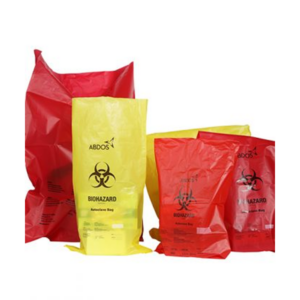
- Red Bags: These indicate infected waste; these can range from items that have been stained with blood, swabs used for surgery, or biological waste.
- Yellow Bags: Used to contain chemicals and drugs as well as other animal body parts.
- Blue/white Bags: Used to contain glassware and metal body parts from laboratory wastes.
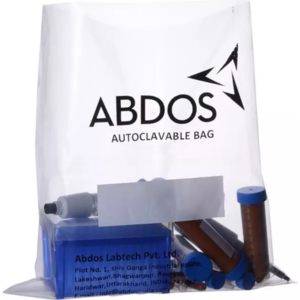
- Clear Bags: General laboratory disposables that need to undergo sterilisation before disposal; usually made from transparent PP to enable easy identification.
Why Use Autoclavable Bags Over Regular Biohazard Trash Bags?
While a biohazard trash bag that is meant for everyday use can be employed for containing wastes through their temporary storage capability as well as short-distance transportation purposes, it is not advisable to employ them when using an autoclave machine. The main benefit of autoclavable products results from their ability to withstand extended use.
- Cross-contamination is avoided: The process of opening and moving the infectious material becomes unnecessary because the bags have already completed their sterilisation process.
- Friendly to the environment: The disposal and recycling of autoclave pouches that contain autoclaved materials can be done safely because they do not create environmental hazards.
- Decreases health risk: Direct handling of infectious material can be reduced through the use of bags.
- Compliant with biomedical waste laws: Medical institutions that follow sterilisation protocols will comply with the biomedical waste management law in India.
Choosing the Right Bag Size and Capacity
The choice of bag size extends beyond its ability to hold more waste since it directly affects the steam sterilisation penetration rate. Bags that exceed the required size or reach maximum capacity create obstacles for steam flow, which results in unsterilised areas remaining within the bag. The 16″ × 24″ polypropylene bags deliver an optimal waste containment solution for small laboratory environments while maintaining effective sterilisation performance. A 25″ × 35″ heavy-duty biohazard disposable bag serves larger waste-producing operations in hospitals and other facilities which need greater waste disposal capacity.
The bag needs to have a valve or seal system which permits safe venting during the autoclave process. A bag with tight seals will explode when pressure builds, but a bag with loose seals will allow contents to escape. The manufacturers supply customers with either perforated or printed instructions which show them how to close their products before they send them for autoclave processing.
Safe Disposal After Autoclaving
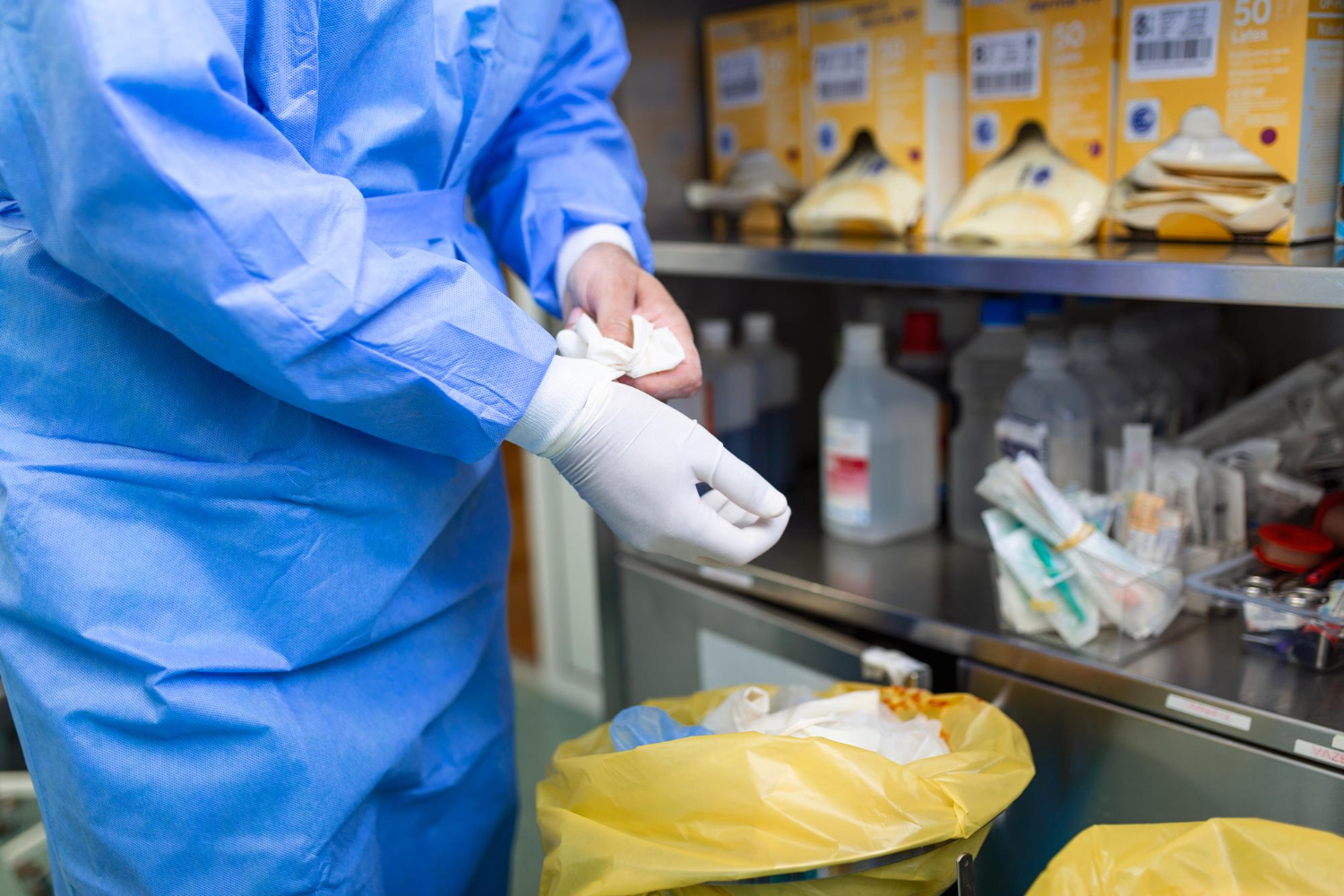
The waste becomes safe for handling after it completes the autoclaving process. There are correct disposal methods which need to be executed for waste handling after autoclaving:
- Bag cooling and inspecting: After that, the bag will be done when the workers finish their work of checking the condition of the bag.
- Labelling the bags as treated waste: Bags must be labelled as sterilised waste bags.
- Transporting to specified disposal sites: The waste will be disposed of in three ways, namely, by burning, by shredding, and by neutralising the chemical waste, depending on its category of disposal.
- Do not mix with domestic waste: Biomedical waste, which has been sterilised, must be discarded away from all household waste.
Ensuring Safe and Sustainable Waste Disposal
The proper methods which handle biohazardous waste create a secure environment for both human health and environmental protection. Medical facilities need to manage their waste through two essential elements, which include selecting proper waste bags and following waste management regulations. The use of dependable materials by laboratories and hospitals creates safer working conditions, which protect both employees and the environment.
Lab Chemicals provides a autoclavable plastic bags which meet all requirements for durability, temperature resistance, and safety standards. We have autoclaving products along with disposal products that are used by Indian professionals in their line of work. We supply products that enable organisations to meet hygienic and environmental regulations while ensuring long-term efficiency.