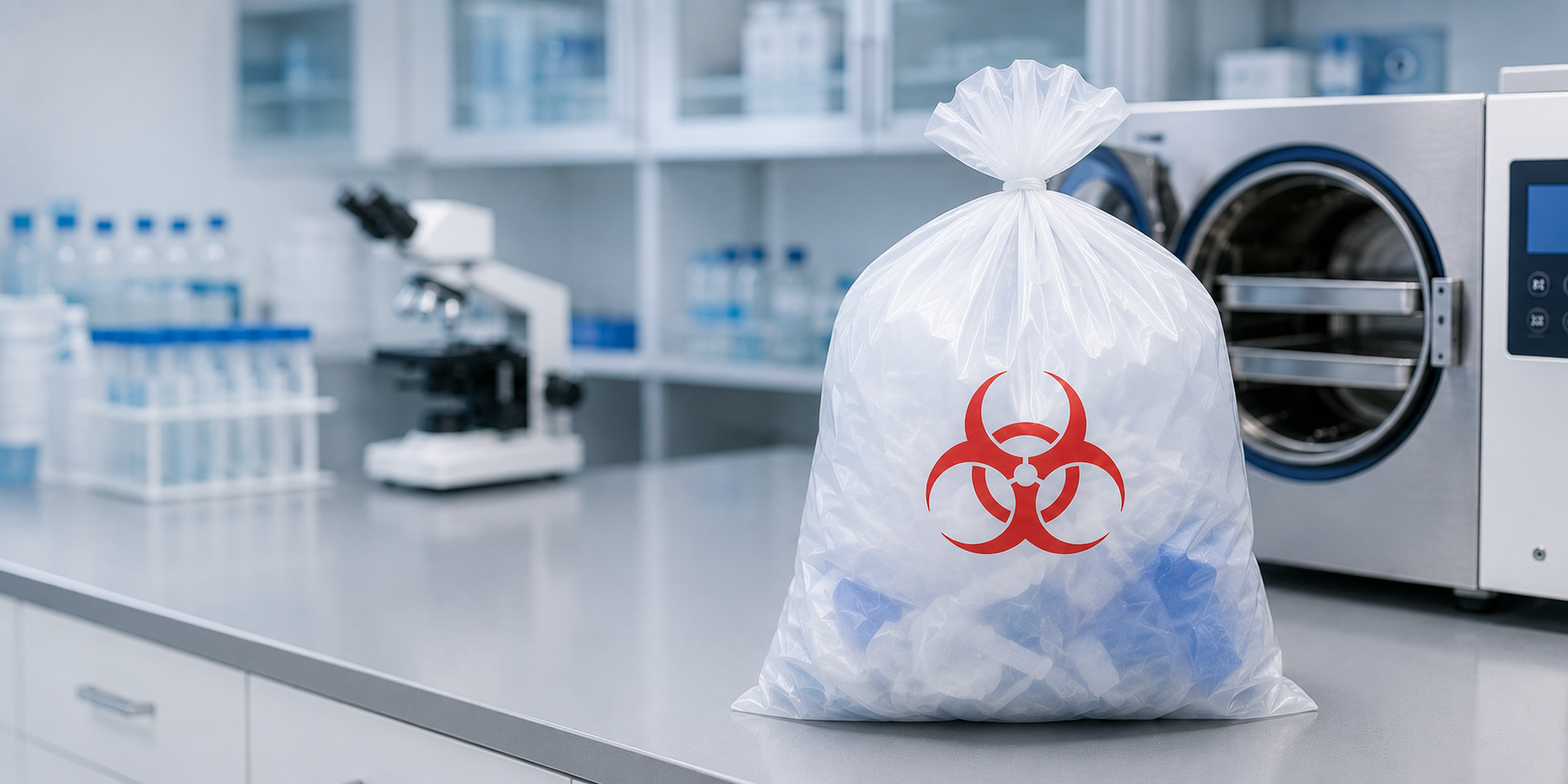
In every research facility, clinical lab, and bioscience institution, one piece of equipment quietly holds the line between safe operations and a potential biohazard incident the autoclavable bag. Understanding what these bags are, how they work, and why selecting the right type matters is fundamental knowledge for any lab professional.
What Are Autoclavable Waste Bags?
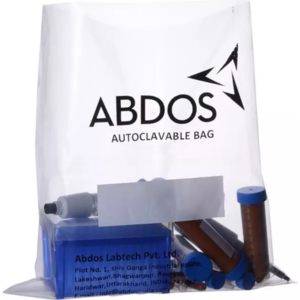
Autoclavable bags are purpose-engineered containment bags designed to survive the extreme conditions of steam sterilization inside an autoclave temperatures typically reaching 121°C (250°F) under 15–18 psi of pressure for a sustained cycle. Unlike standard plastic bags that would melt, warp, or fail at these temperatures, autoclavable bags are manufactured from heat-tolerant polymers, most commonly polypropylene, that maintain structural integrity throughout the sterilization process.
These bags serve a dual purpose: first, as a containment vessel that safely transports potentially infectious or biohazardous lab waste from the point of generation to the autoclave, and second, as a sterilization envelope that allows high-temperature steam to permeate and neutralize all biological threats within the waste. Once sterilized and confirmed with indicator tape, the waste is rendered safe for standard regulated disposal.
Key Facts at a Glance
- 121°C minimum — standard sterilization temperature for autoclave cycles
- 15–30 minutes — typical cycle duration for solid biohazardous waste
- ≥99.9999% microbial kill rate — achieved by validated autoclave cycles
- Orange or Red — standard color coding for autoclavable biohazard bags per regulatory guidelines
How Autoclavable Bags Work?
The science behind autoclavable plastic bags is straightforward. Polypropylene has a melting point above 160°C well above the 121–134°C range used in standard autoclave cycles. This means the bag retains its form under steam pressure while the contained waste is fully exposed to lethal sterilization conditions.
A critical design consideration is steam permeability. Contrary to what one might assume, autoclavable bags must not be completely sealed. If tightly twisted shut, the polypropylene creates an impermeable barrier to steam meaning the interior contents would not actually be sterilized. Regulatory guidance is consistent: bags should be loosely gathered at the top and secured with autoclave indicator tape to allow steam ingress while preventing spillage.
Most autoclave pouches and bags also feature a built-in chemical indicator printed directly on the bag material. The printed indicators respond to heat and steam exposure, giving lab personnel clear assurance before any bag leaves the controlled disposal area.
Types: Bags, Pouches, and Biohazard Trash Bags
Not all autoclavable containment products are the same. Labs use distinct product formats depending on waste volume, waste type, and workflow requirements.
Autoclavable Bags (Bulk)
Large-format polypropylene bags used as can liners in biohazard waste receptacles. Available in multiple sizes (1–55+ gallon). Primary containment for solid lab waste from BSL-1 and BSL-2 environments. The most widely used format across research and clinical labs.
Autoclave Pouches
Autoclave pouches are smaller, self-sealing envelopes used for sterilizing lab instruments, media, glassware, and reusable items. They feature a peel-apart seal and printed chemical indicators. Traditional pouches combine kraft paper (one side) with a clear film (other side) the paper allows steam exchange during sterilization, while the film enables visual inspection of contents.
Biohazard Trash Bags
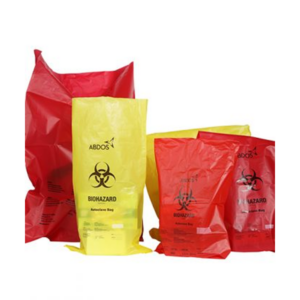
Biohazard trash bags are orange or red bags pre-printed with the biohazard symbol. These are the regulatory standard for collecting infectious waste, cultures, human-derived materials, and BSL-2 consumables before autoclaving and disposal. These bags meet the color-coding requirements of OSHA Bloodborne Pathogen Standards (29 CFR 1910.1030).
Autoclave Pouches vs. Autoclavable Bags: Key Distinctions
Autoclave pouches and autoclavable bags are frequently confused but serve different primary functions. Pouches are typically made from a paper-plastic combination with one transparent side — ideal for surgical tools, pipettes, and small lab instruments. Bags are entirely polypropylene, opaque, and designed for high-volume waste containment. The sealing mechanism also differs: pouches use a peel seal to maintain sterility of enclosed items after processing; bags use loose closure to permit steam penetration for waste decontamination — a fundamentally opposite goal.
Why Labs Absolutely Depend on Them?
Across research universities, hospital labs, pharmaceutical facilities, and clinical testing centers, autoclavable bags are treated not as optional supplies but as regulatory and operational necessities.
- Regulatory Compliance: Federal OSHA Bloodborne Pathogen Standards (29 CFR 1910.1030) require biohazardous waste to be contained in labeled, color-coded bags. Most states mandate treated medical waste be disposed of in designated autoclave-verified bags not ordinary trash.
- Infection Control: Labs working with infectious agents, human cell lines, recombinant DNA materials, and animal tissue operate under BSL protocols that mandate autoclave sterilization before disposal. Biohazard trash bags are the first physical barrier in this chain of decontamination.
- Landfill Acceptance: Disposal contractors and landfills explicitly reject waste contained in biohazard-labeled bags that have not been verified as autoclaved. Without properly marked, indicator-confirmed autoclavable plastic bags, treated waste cannot enter the municipal solid waste stream.
- Worker Safety: Lab personnel, custodial staff, and waste handlers are all protected by the structural integrity of these bags. High-quality polypropylene bags are tear-resistant, reducing exposure risk during handling and transport.
- Audit and Liability Protection: Lab directors and principal investigators bear institutional and personal liability for waste management failures. Using certified, properly labeled autoclavable bags with documented autoclave cycles creates a paper trail that protects both individuals and institutions during inspections.
- Environmental Protection: Autoclaved waste, properly verified through autoclave pouches and bag indicator systems, is biologically neutralized before entering the waste stream preventing environmental contamination.
How to Choose the Right Autoclavable Bag?
Material and Temperature Rating
Always confirm the bag is manufactured from virgin polypropylene rated for a minimum of 134°C. Some labs run gravity-cycle autoclaves (121°C) while others use pre-vacuum cycles (134°C). Verify the product specifications match your equipment before purchasing autoclavable plastic bags.
Size and Capacity
Autoclavable bags are available from small bench-top sizes (1–2 gallon) to large floor-standing drum liners (55 gallon). Select a bag size that can be filled no more than two-thirds full — overfilled bags compress waste, reducing steam penetration and potentially failing sterilization validation.
Integrated vs. External Indicators
Premium biohazard trash bags feature pre-printed chemical indicators that change color when autoclave conditions are met. Look for bags with ISO-compliant indicator inks — especially valuable in high-throughput labs where manually applying indicator tape to every bag creates operational risk.
Color Coding and Labeling
Orange is the most universally recognized color for autoclavable biohazardous waste. Some institutions use red. Regardless of color, the bag must display the biohazard symbol. For final disposal after autoclaving, check your institutional or state-specific requirements — many require white or clear bags to signal treated status.
For Autoclave Pouches: Paper vs. All-Film
Traditional autoclave pouches combine kraft paper with clear film. The paper side allows steam exchange; the film enables visual inspection. All-film pouches exist but are appropriate only for specific applications. For general instrument and supply sterilization, paper-film combination pouches are the industry standard.
Best Practices for Safe and Effective Use
- Never Overfill. Keep bags at a maximum of two-thirds capacity. Overfilled autoclavable bags compress waste into dense masses that steam cannot adequately penetrate, resulting in incomplete sterilization.
- Close Loosely, Not Tightly. Autoclavable plastic bags are impermeable to steam when sealed. Gather loosely and secure with indicator tape — never twist and tie shut.
- Place Inside a Rigid Container. Polypropylene bags can burst during autoclave cycles due to pressure changes. Always place bags in a rigid secondary container (stainless steel pan or polypropylene tray) during autoclaving.
- Apply Indicator Tape Correctly. Apply autoclave indicator tape in an X-pattern directly over the biohazard symbol on each biohazard trash bag. Required for waste disposal acceptance.
- Verify Before Disposal. Confirm indicators have changed color before moving bags to regulated waste disposal areas. Autoclaved orange or red bags must still go to designated medical waste bins not standard dumpsters.
- Remove from Autoclave Promptly. Do not leave autoclavable bags in the autoclave overnight. Plastic bags can degrade as they cool, risking spillage inside the chamber.
Common Mistakes to Avoid
- Using standard trash bags as a substitute. Standard polyethylene trash bags melt and fail at autoclave temperatures. Using them is a regulatory violation and a safety hazard.
- Placing sharps directly into autoclavable bags. Sharps must first be contained in approved rigid sharps containers before being placed inside a biohazard trash bag for autoclaving.
- Mixing waste streams. Regular lab waste (non-biohazardous) should never be combined with biohazardous waste in an autoclavable bag. This unnecessarily elevates disposal costs and regulatory burden.
- Assuming the indicator means sterilization is complete. Chemical indicators confirm exposure to heat and steam not a biological validation. Autoclaves must also be validated weekly using biological indicator spore tests per most state medical waste regulations.
Autoclavable bags and biohazard trash bags are not interchangeable terms for a single product each serves a specific, critical role in laboratory waste management and sterilization workflows. Understanding these distinctions is the foundation of sound lab safety practice.
Labs that take these materials seriously selecting the right polypropylene specification, applying indicator tape correctly, using proper fill levels, and following validated autoclave cycles protect their personnel, their communities, and their institutional compliance standing.
Whether you are equipping a new BSL-2 facility, reviewing your waste management protocols, or simply sourcing reliable supplies, ensuring that every bag, every pouch, and every cycle is properly matched to its purpose is not overhead it is the backbone of responsible laboratory operations.