The modern food sector is pretty dependent on safety, quality and consistency, and this is exactly where food-grade chemicals come in, in a way that sorta matters a lot. From keeping freshness intact to improving flavour and mouthfeel, these materials are usually monitored quite carefully so they can be considered safe for human consumption, even when things are not so straightforward.
In India’s rapidly expanding food industry, the appetite for dependable and certified chemical inputs is going up, so it becomes important to really figure out how these components work and where they tend to get used, in practice.
What Are Food-Grade Chemicals?
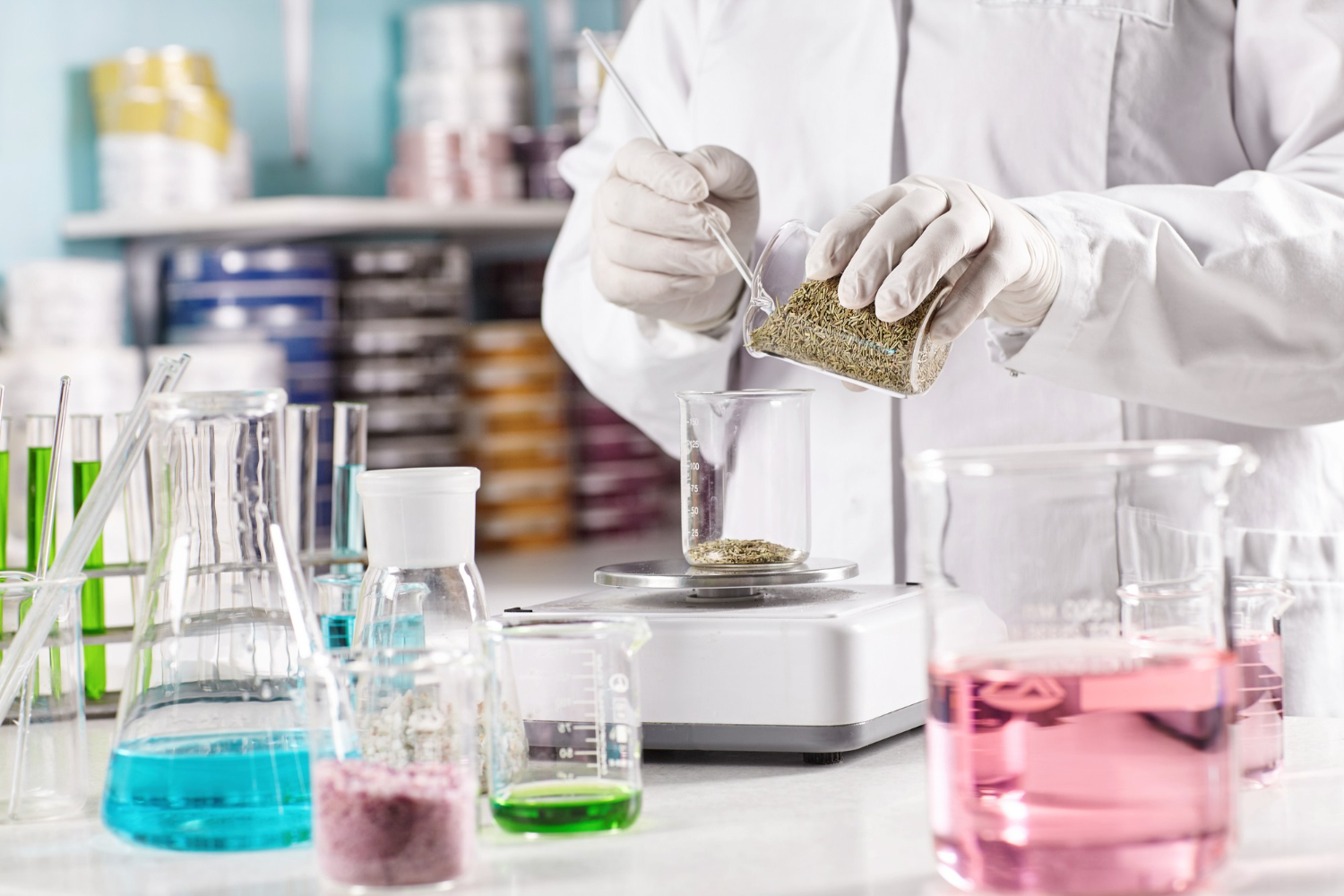
Food-grade chemicals can be defined as those chemicals that have been approved for use in the manufacturing, packaging, and storing of foods. The manufacture of food-grade chemicals is done in such a manner that there is great attention paid to safety, and even too much emphasis on safety, to ensure that there is no danger to consumers when used. They are used all over, really, in both big manufacturing operations and also smaller food businesses, so the product quality stays consistent.
However, in comparison to the industrial-grade ones, the food-grade ones are manufactured under highly controlled circumstances. Moreover, they need to conform to guidelines provided by regulatory agencies such as the FSSAI in India. The purity and composition of these are constantly monitored, making them safe for use either directly or indirectly in food items.
Categories of Chemicals Utilised in the Food Industry
The category of Food industry chemicals is kind of broad, and it includes a bunch of different substances that do different things, kinda. You’ll run into preservatives, antioxidants, emulsifiers, flavouring agents and also stabilisers, all together. Some of these are basically used for one main role, but others do more than one in the background.
Preservatives are effective in increasing the shelf life of foods since they prevent the growth of bacteria, hence keeping the foods viable for extended periods of time. Antioxidants reduce the process of oxidation that causes spoilage, resulting in the loss of nutrients. Emulsifiers support improving the uniformity and texture of foods. Each chemical category is picked based on what the specific food product actually needs, since the requirements vary.
Importance of Safety and Regulations
Safety is kinda the base of how food chemical usage works. In India, there are strict guidelines set up to control additive use and processing aids. Producers have to make sure every input meets the approved standards and that it is used in the right amounts, not more, not less.
The use of edible chemicals ensures safety in the consumption of foods, while at the same time retaining their expected properties. The chemicals are put through rigorous tests before their approval, after which they are monitored to ensure that they remain compliant. In addition to this, regulatory agencies conduct audits to ensure that manufacturers comply with best practices.
Applications in Food Processing
Food-grade chemicals are used at a few different points during food production. Just like during the processing phase, they also contribute towards the texture, improve the taste, and preserve the colour of the food product. For instance, baking soda is added to food products to make sure that the product rises correctly, while citric acid is used in drinks for flavouring and preserving purposes.
In milk-based foods, stabilizers are added to improve the texture, whereas emulsifiers are added to make sure that there is proper mixing of the ingredients.
Role in Food Preservation
Preservation is one of the most critical uses of food-grade chemicals, really. If you manage to slow the microbial growth plus oxidation, those agents end up supporting the extension of the shelf life of perishable goods. It becomes even more important in a place like India, since transport routes, along with storage conditions, can vary quite a bit depending on the area.
When you use food industry chemicals for preservation, food stays safe and consumable for longer periods. In the long run, this lowers waste, and it also aids efficient distribution across different areas.
Enhancing Taste and Appearance
Consumer preferences are strongly swayed by taste and visual attractiveness, and well, honestly, it is not only one thing. Food-grade chemicals play a pivotal role in getting both parts right. The use of flavour enhancers makes it easy to achieve the experience of eating, whereas colourants give the food a better appearance.
By using edible substances in controlled amounts, manufacturers are able to create products that will meet people’s expectations. This kind of boost is especially important in competitive markets, where appearance, along with taste, can decide success, early or late.
Use in Packaging and Storage
Food-grade chemicals are not only linked to processing; they also seem to appear in packaging materials, you know. Certain coatings and additive systems help resist contamination and keep the product’s integrity just fine during storage and transit.
For instance, anti-caking agents get mixed into powdered goods to prevent clumps, and moisture absorbers support dryness as well. These kinds of applications make sure the food arrives at consumers in a pretty sound condition.
Choosing the Right Supplier
Choosing a trustworthy supplier is pretty important for keeping the quality steady and staying compliant, too. Companies usually lean on known distributors, so they can get certified chemicals that line up with the industry requirements.
A dependable Lab Chemicals Distributor Mumbai can offer a broad selection of quality-focused products, plus the right paperwork and some practical support. When you partner with seasoned sources, you tend to keep things consistent, and you also support safety across daily operations.
Future Trends in Food Chemicals
The food industry is developing, and this applies to the use of chemicals too. It seems that in today’s world, there is a noticeable tendency towards sustainability and organics, as well as other innovations that were not predictable before. In addition, there is research being conducted on developing new chemicals that will bring the same benefits as the previous generation of chemicals, but without any harm.
On top of that, technology advances are letting people test things more precisely and manage quality control in a smarter way, so that food-grade chemicals stay within the top limits. This change is likely to nudge the future of the industry in India and farther out as well.
Food-grade chemicals are, in a way, essential for modern food production. They help keep things safe, steady, and consistent across lots of different products. From preservation all the way to enhancement, these materials have a wide set of uses, and well, they’re kinda indispensable. When you understand what they do, businesses can make better choices and keep solid standards in food manufacturing.
At Lab Chemicals, we actually take pride in supplying premium edible chemicals that line up with industry standards and what customers expect. As a trusted Lab Chemicals Distributor in Mumbai, we offer a broad mix of solutions, designed around the food sector’s needs. Our focus on quality, dependability, and compliance means companies can source the right materials without too much worry and keep running smoothly.