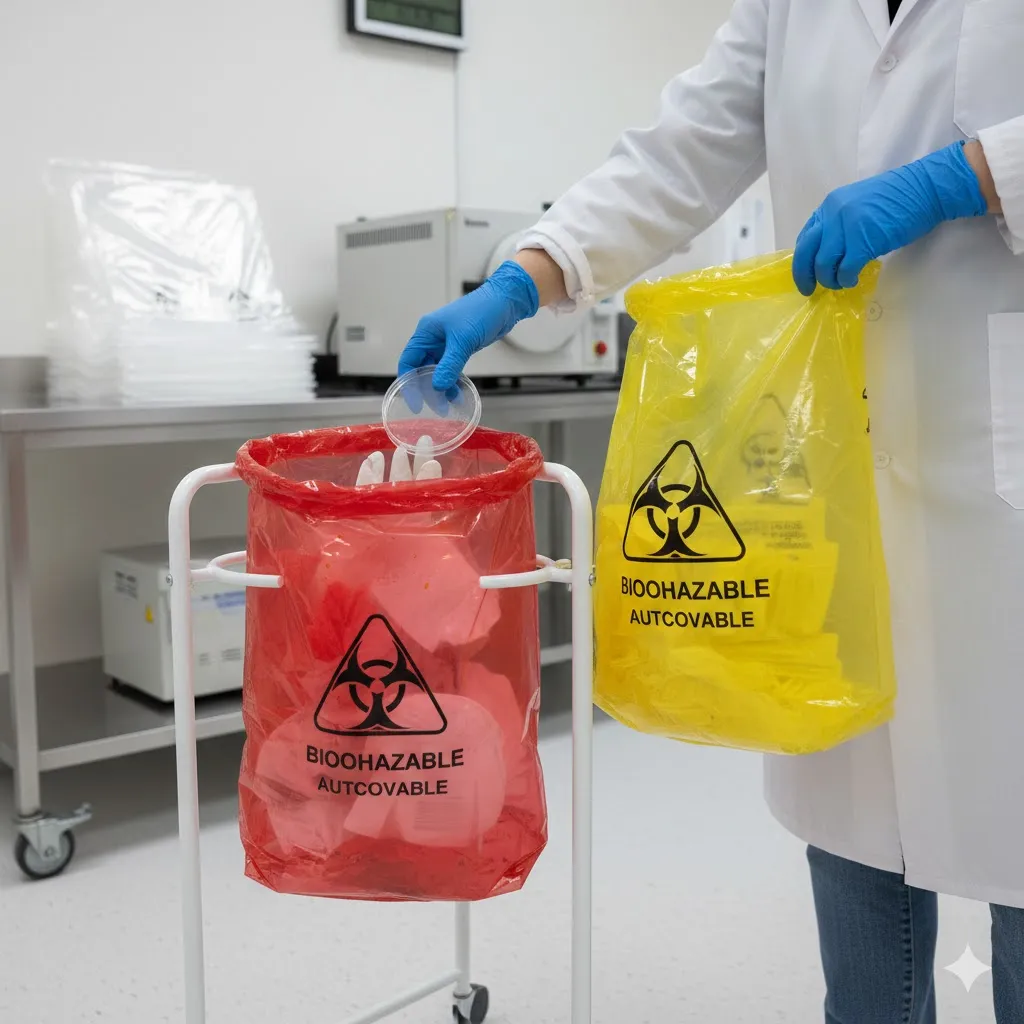
Ensuring hygiene and compliance is easier than you think; find out how the right autoclave pouches can transform medical waste handling.
Medical waste management is a crucial aspect of healthcare and laboratory safety. Incorrect disposal can increase the risk of infections, contamination, and environmental harm. Using the right tools, like autoclavable plastic bags, ensures that medical waste is handled safely and sterilized effectively.
Autoclavable bags are specially designed to withstand high temperatures in an autoclave, making them ideal for sterilizing infectious and hazardous waste. They offer a practical solution for hospitals, clinics, laboratories, and other healthcare facilities, helping maintain hygiene and comply with medical regulations.
In this blog, we will explore the different types of autoclavable bags, their specific applications, and tips for using them correctly. Understanding these options will help healthcare professionals manage waste efficiently while reducing health risks.
What Are Autoclavable Plastic Bags?
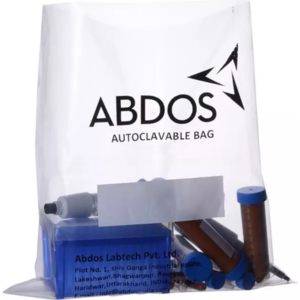
Autoclavable plastic bags are specially designed to withstand the high temperatures of an autoclave without melting or losing strength. They are essential for safely containing medical and laboratory waste that requires sterilization.
Unlike regular plastic bags, autoclavable bags are made from heat-resistant materials such as polypropylene (PP) or polyethylene terephthalate (PET). This allows them to maintain their integrity during sterilization, preventing leaks and contamination.
These bags are widely used in hospitals, clinics, laboratories, and dental or veterinary practices to store infectious or hazardous waste before and after sterilization. Using the right bag ensures compliance with safety standards and protects healthcare workers and the environment.
Types of Autoclavable Bags
Healthcare facilities and laboratories use different types of autoclavable bags depending on the type of waste and sterilization needs. Each type is designed to handle specific kinds of waste safely and efficiently, ensuring compliance with hygiene standards. Here are the main types:
1. Standard Autoclavable Bags
- Ideal for general medical and laboratory waste.
- Made from durable, heat-resistant materials.
- Comes in different sizes to handle small or large amounts of medical waste.
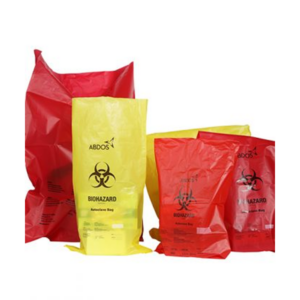
2. Biohazard Autoclave Pouches
- Specifically designed for infectious or hazardous waste.
- Often uses colour coding (like red or yellow) to make identification quick and easy.
- Clearly labelled with biohazard symbols to promote safe handling practices.
3. Peelable Autoclave Pouches
- Used for sterilizing individual instruments.
- Allows easy inspection of contents without opening the pouch.
- Helps maintain sterility until the instrument is ready for use.
Selecting the appropriate autoclavable bag guarantees effective sterilization, keeps healthcare environments safe, and supports adherence to medical waste protocols.
Applications in Medical Waste Management
Proper handling of medical waste begins with the right containment solution. Autoclavable plastic bags help healthcare facilities and laboratories safely sterilize and dispose of infectious or hazardous materials, minimizing contamination risks.
Here are the common applications of autoclavable bags:
- Hospitals and Clinics:
Used for general medical waste, sharps, and infectious materials to maintain hygiene and safety.
- Laboratories and Research Centres:
Ideal for disposing of culture plates, test samples, and chemical-contaminated materials.
- Dental and Veterinary Practices:
Helps safely manage used instruments, gloves, and other biohazard waste.
- Sterilization of Instruments:
Autoclave pouches are used to individually sterilize tools, ensuring they remain sterile until use.
By using the right type of bag in each setting, healthcare facilities can streamline waste management while meeting safety and regulatory standards.
Benefits of Using Autoclavable Bags
Using the right autoclavable bags offers multiple advantages for healthcare facilities, laboratories, and other medical settings.
- Ensures Safe Sterilization:
These bags can withstand high autoclave temperatures, keeping infectious waste contained during sterilization.
- Reduces Contamination Risks:
Properly sealed autoclavable plastic bags prevent leaks and exposure to hazardous materials.
- Supports Regulatory Compliance:
Helps healthcare facilities comply with medical waste management regulations and standards.
- Durable and Cost-Effective:
Made from strong, heat-resistant materials, they are reusable for multiple sterilization cycles, saving costs in the long run.
By incorporating autoclavable bags into medical waste management routines, facilities can enhance safety, efficiency, and compliance.
Tips for Proper Use
Maximizing the effectiveness of autoclavable bags starts with simple, practical habits. Handling them correctly ensures waste is fully sterilized while keeping healthcare environments safe for everyone. Here are some useful tips:
- Follow Capacity Guidelines:
Avoid overfilling the bags to ensure proper sterilization and prevent tearing.
- Seal Bags Properly:
Use strong ties or self-sealing mechanisms to keep waste contained during autoclaving.
- Separate Waste Types:
Use color-coded or labelled bags for infectious, chemical, or general medical waste to simplify handling.
- Inspect Before Sterilization:
Check the bag for any damage or weak spots to prevent leaks.
- Handle with Care:
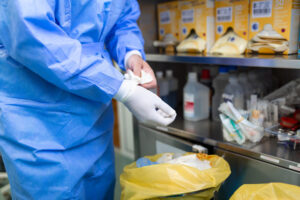
Always wear protective gloves and follow safety protocols when moving filled autoclavable plastic bags.
Smart Selection of Autoclavable Bags for Healthcare
These steps make medical waste management safer, more efficient, and fully compliant with health regulations.
Every type of medical waste has its own handling requirements. Choosing the right autoclavable bags ensures proper sterilization and minimizes contamination risk. Knowing the features and strengths of each bag helps healthcare facilities maintain a safe and organized waste management process.
- Type of Waste:
Use autoclave pouches for instruments and biohazard bags for infectious or hazardous materials
- Size and Capacity:
Ensure the bag can hold the waste volume without overfilling
- Material Strength:
Choose heat-resistant, durable materials like polypropylene that can withstand sterilization
- Regulatory Standards:
Confirm the bags meet medical waste disposal regulations
Properly selected autoclavable plastic bags minimize contamination risks and improve waste disposal reliability. They also help healthcare facilities stay aligned with regulatory standards.
Making Medical Waste Management Effortless
Effectively managing medical waste begins with making informed choices about containment. Using the right autoclavable bags not only protects staff and patients but also ensures that sterilization processes are thorough and reliable.
For healthcare facilities seeking dependable solutions, Lab Chemicals offers a range of autoclavable bags that meet rigorous safety and quality standards. Our products simplify waste handling, making it easier to maintain hygiene and comply with medical regulations.
Integrating suitable autoclave pouches into everyday operations helps reduce risks, streamline sterilization, and create a safer environment for both healthcare professionals and patients.