What Is a Soil Testing Kit and How Does It Work?
The quality of any soil assessment depends on accurate testing. Explore how a soil testing kit helps measure key soil characteristics and supports better decisions.
Soil quality plays a significant role in agriculture, landscaping, environmental studies, and research applications. Without proper analysis, it becomes difficult to understand soil conditions or identify factors that may affect plant growth and overall productivity.
A soil testing kit helps users evaluate important soil characteristics by providing measurable insights into soil composition and condition. Whether used in laboratories, educational institutions, or agricultural settings, these kits support informed decision-making through accurate testing.
Understanding soil properties before taking corrective actions can help improve efficiency and reduce guesswork. Lab Chemicals supports laboratories and industries with reliable testing solutions designed to simplify soil analysis and deliver dependable results.
What Is a Soil Testing Kit?
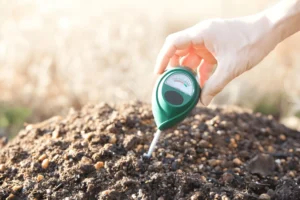
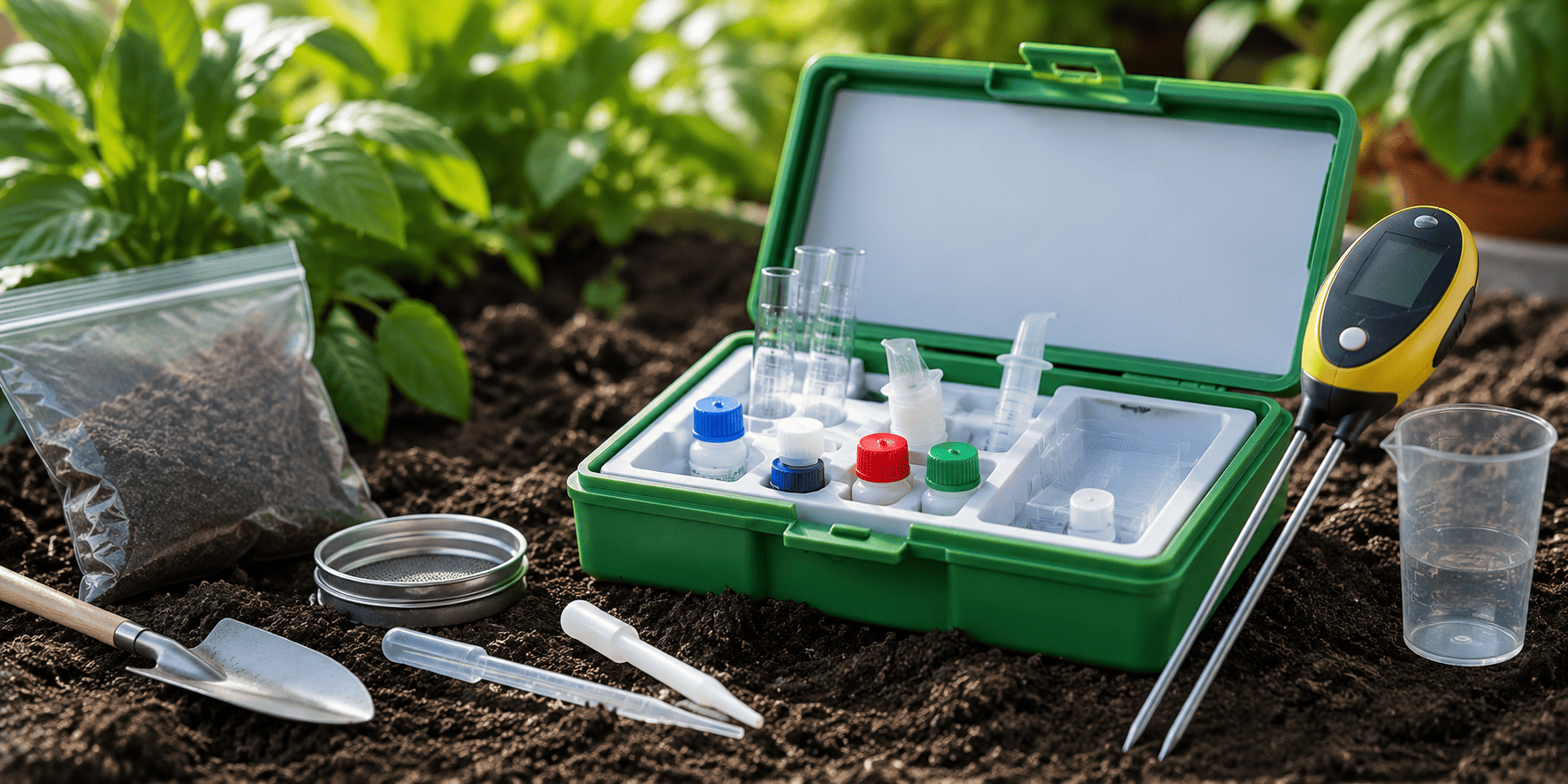
A soil testing kit is a diagnostic tool designed to analyse various soil properties and provide measurable data for evaluation. It helps users understand soil conditions that may influence agricultural productivity, research outcomes, or environmental assessments.
- pH Measurement
Measures whether the soil falls within acidic, neutral, or alkaline conditions.
- Nutrient Evaluation
Helps identify the presence of essential nutrients required for healthy soil performance.
- Soil Condition Assessment
Provides insights into factors that influence overall soil quality and suitability.
- Laboratory and Field Applications
Can be used in controlled laboratory environments as well as outdoor testing locations.
A soil testing kit simplifies the process of gathering important soil information without relying solely on visual observations. The outcome of the analysis helps guide strategies aimed at improving overall soil quality and performance.
Why Soil Testing Matters Before Any Analysis or Cultivation?
Evaluating soil properties before beginning any project helps reduce risks and supports more informed planning. Soil testing provides valuable information that supports both short-term actions and long-term planning.
Key Benefits of Soil Testing
- Highlights gaps in soil nutrition that could affect performance and development
- Helps determine suitable corrective measures before implementation
- Supports efficient use of soil amendments and treatments
- Improves accuracy in agricultural, environmental, and research applications
- Provides measurable data instead of assumptions
Reliable soil analysis creates a stronger foundation for planning and resource management. It also helps users achieve more consistent and predictable outcomes across different applications.
Components Found in a Soil Testing Kit
A soil testing kit contains multiple tools designed to measure specific soil characteristics. Each component contributes to generating accurate and meaningful test results.
| Component | Purpose | Function |
| Test Tubes | Sample Handling | Holds soil and testing solutions |
| Reagent Solutions | Chemical Analysis | Reacts with soil samples for measurements |
| Colour Charts | Result Interpretation | Assists in reading test outcomes |
| Measuring Tools | Sample Accuracy | Ensures consistent testing procedures |
| User Manual | Testing Guidance | Provides step-by-step instructions |
The combination of these components allows users to conduct soil evaluations in a structured and organised manner. Proper use of each tool contributes to more accurate testing results.
How Does a Soil Testing Kit Work?
Soil testing follows a systematic process that converts soil samples into measurable information. Although procedures may vary slightly between kits, the overall approach remains similar.
Step 1: Sample Collection
Soil is collected from the testing area using recommended sampling methods.
Step 2: Sample Preparation
The collected soil is prepared in accordance with the testing requirements.
Step 3: Chemical Testing
Testing reagents are added to evaluate specific soil characteristics.
Step 4: Observation and Analysis
Results are observed through colour changes, measurements, or indicators.
Step 5: Interpretation
The findings are compared with reference guides to determine soil condition.
Following a structured testing process helps improve the accuracy and consistency of results. It also ensures that soil data can be used with confidence for planning and evaluation.
Understanding Soil pH and Acidity Measurements
Soil pH is one of the most important indicators of soil condition because it influences nutrient availability and biological activity. Measuring acidity helps users understand whether soil conditions are suitable for specific applications.
- What Does Soil pH Indicate?
It reflects the balance between acidic and alkaline conditions within the soil.
- Why Acidity Matters
Excessive acidity can affect nutrient availability and overall soil performance.
- Testing for pH Levels
A soil acidity tester helps identify pH levels and supports accurate soil evaluation.
Understanding pH measurements provides valuable insight into overall soil health. It also helps users determine whether corrective actions may be required to achieve desired conditions.
Different Types of Soil Testing Equipment
Different testing requirements call for different tools and technologies. The choice of equipment depends on the level of detail required and the intended application.
- Basic Testing Tools
Suitable for routine assessments and introductory soil evaluations.
- Portable Testing Solutions
Designed for convenient field use and on-site analysis.
- Advanced Testing Systems
Deliver comprehensive analytical data for laboratory and professional testing requirements.
A dirt testing kit is often preferred for conducting rapid and straightforward soil evaluations. More advanced systems may be preferred when comprehensive analysis is required.
Proper equipment selection supports effective testing procedures and dependable results. It also improves the reliability of the information collected during analysis.
Choosing the Right Testing Solution
Selecting the appropriate testing solution depends on the intended use, testing frequency, and required level of accuracy. Different users often have different testing priorities based on their specific applications.
Factors to Consider
- Testing objectives
- Routine monitoring
- Detailed analysis
- Measurement requirements
- Basic soil assessment
- Advanced evaluation
- Ease of use
- User-friendly procedures
- Clear result interpretation
- Portability
- Laboratory use
- Field testing applications
For applications that require both condition assessment and acidity evaluation, a soil and pH tester can provide a practical testing solution. Choosing equipment that aligns with testing requirements helps improve efficiency and the accuracy of results.
Sourcing Reliable Testing Equipment in India
The quality of testing equipment directly affects the reliability of the results obtained. Working with trusted suppliers helps ensure access to dependable products and technical support.
- Product Quality
Reliable suppliers maintain standards that support accurate testing performance.
- Technical Support
Access to guidance helps users maximise equipment effectiveness.
- Consistent Availability
A dependable supply chain supports uninterrupted testing operations.
Established lab chemical distributors in India help laboratories and industries access high-quality testing solutions suitable for professional applications. Choosing a reliable supplier also contributes to better long-term performance and user confidence.
Better Soil Analysis Starts with the Right Tools
Accurate soil analysis begins with understanding the tools used to evaluate soil conditions. A well-designed testing solution helps users gather meaningful information that supports better decision-making across agricultural, environmental, and research applications.
A soil testing kit provides a practical and efficient way to assess key soil characteristics and produce reliable results. Lab Chemicals offers reliable testing solutions to support laboratories, institutions, and industries in meeting their soil analysis requirements.
The right testing equipment can improve accuracy, reduce uncertainty, and support more informed planning. Invest in reliable soil testing solutions to achieve accurate analysis and make better-informed decisions for your applications.