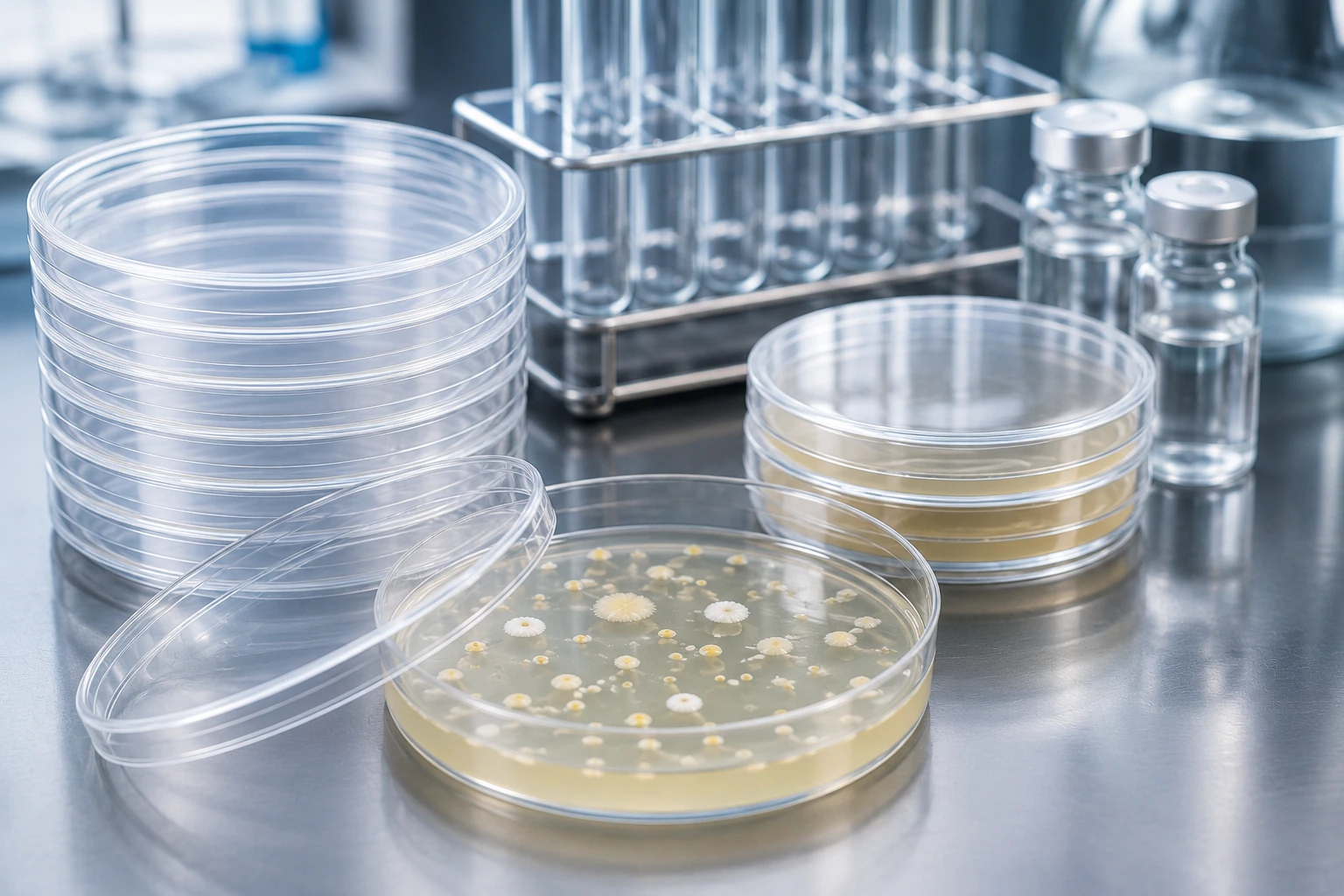
Pharmaceutical products must meet strict quality and safety standards before they reach the market. One important part of pharmaceutical quality control is microbial limit testing. This testing helps laboratories assess the microbial quality of non-sterile pharmaceutical products by detecting and quantifying viable microorganisms.
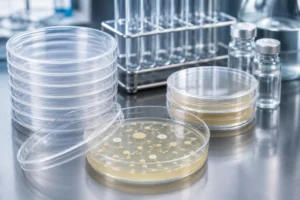
Petri dishes are widely used in microbiology laboratories for culture-based testing. They provide a suitable surface for placing culture media and observing microbial growth after incubation. In pharmaceutical laboratories, petri dish plastic formats are often preferred for routine work because they are lightweight, convenient to handle, and available in sterile, ready-to-use formats.
The choice of laboratory consumables still needs careful consideration. Factors such as sterility, material, size, packaging, transparency, and intended application can affect how well a Petri dish fits into a testing workflow. Lab Chemicals provides laboratory chemicals and scientific supplies for laboratories, pharmaceutical companies, research institutions, biotech organisations, and other industries.
What Is Pharmaceutical Microbial Limit Testing?
Microbial limit testing is performed to determine whether a non-sterile pharmaceutical product meets established microbiological quality requirements. The testing generally involves microbial enumeration and, where required, testing for specified microorganisms.
The basic workflow may involve preparing the sample, inoculating an appropriate culture medium, incubating the medium, and examining the resulting microbial growth. The number of colonies can then be counted and assessed against the applicable requirements.
Since even small amounts of unwanted contamination can affect test results, laboratories need controlled procedures and suitable consumables. Petri dishes are commonly used as containers for culture media during these processes.
Why Are Petri Dishes Used in Microbial Testing?
A Petri dish provides a flat, controlled surface where prepared culture media can be placed. Once the sample is introduced using the applicable test procedure, microorganisms can grow under suitable conditions.
A typical culture-based workflow may include:
- Preparing or dispensing the appropriate culture medium
- Allowing the medium to solidify when required
- Introducing the test sample according to the validated method
- Incubating the dish under specified conditions
- Observing and counting microbial colonies
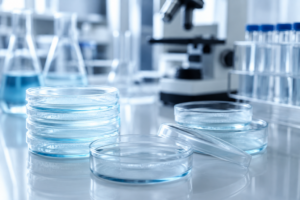
The transparent design of many plastic petri plates also makes it easier for laboratory personnel to observe colonies without disturbing the culture.
Why Plastic Petri Dishes Are Preferred in Pharmaceutical Laboratories
Glass Petri dishes have traditionally been used in microbiology laboratories. However, disposable plastic formats are now common in many routine testing environments.
A plastic Petri dish format offers several practical benefits:
- Lightweight and easy to handle
- Lower risk of breakage during routine work
- Available in sterile formats
- Ready for use without washing or sterilising
- Consistent dimensions across individual units
- Convenient for high-volume laboratory testing
- Easier disposal after microbiological use
These benefits can be useful for pharmaceutical laboratories that perform repeated microbial testing. Ready-to-use disposable petri dishes can also reduce the time spent on cleaning and preparing reusable laboratory glassware.
Role of Disposable Petri Dishes in Microbial Enumeration
Microbial enumeration requires careful control of the testing environment. Any unwanted contamination introduced during preparation or handling can affect the observed results.
Sterile disposable petri dishes can help laboratories maintain a consistent testing workflow. Gamma-radiated sterile dishes, for example, are supplied in a condition intended for appropriate laboratory use without requiring the user to sterilise the dishes before opening.
The packaging also matters. Petri dishes should remain protected from contamination before use. Laboratory personnel should follow the manufacturer’s storage instructions and open the packaging only when the dishes are required.
Key Factors to Consider When Choosing Plastic Petri Plates
Not every Petri dish is suitable for every laboratory application. Laboratories should review the product specifications before selecting a particular format.
| Selection Factor | Why It Matters |
| Sterility | Helps minimise the risk of introducing unwanted microorganisms |
| Material | Should be suitable for the intended laboratory procedure |
| Size | Must provide adequate space for the required culture medium and testing method |
| Transparency | Makes observation and colony counting easier |
| Lid fit | Helps protect the culture during handling and incubation |
| Packaging | Protects the dishes from contamination before use |
| Intended application | Ensures the product matches the laboratory’s testing requirements |
The dish size matters; laboratories should pick the specified size, as common formats may not suit all methods.
Where Does Whatman Filter Paper 41 Fit into Laboratory Testing?
Whatman Filter Paper 41 is a laboratory filter paper used for filtration and sample preparation applications. It serves a different purpose from a Petri dish.
While Petri dishes provide a surface or container for culture media and microbiological observation, filter paper is used to separate particles or materials during suitable laboratory filtration procedures.
This distinction matters when choosing lab consumables since a laboratory may need both filtration products and microbiological culture ware for different testing stages.
Thus, Whatman filter paper 41 shouldn’t replace a Petri dish in microbial counting. Each has a specific role in the lab.
Factors That Can Affect Microbial Testing Results
The Petri dish is only one part of a microbial limit testing workflow. The way the dish is handled, and the overall testing conditions can influence the quality of the observations. Laboratories therefore need to control several factors during the testing process.
Key factors include:
- Sample preparation: The sample should be prepared according to the applicable testing procedure
- Culture medium: The selected medium should support the intended microbial detection or enumeration method
- Sterility: Sterile consumables help reduce the risk of introducing unwanted microorganisms
- Incubation: Time and temperature should follow the established test procedure
- Handling: Unnecessary exposure of plates can increase contamination risks
- Colony counting: Plates should be examined and counted using the applicable laboratory procedure
- Storage: Unused disposable petri dishes should be stored according to the manufacturer’s instructions
Using suitable plastic petri plates can make routine handling easier, but the consumable alone does not determine the quality of the result. Consistent procedures and proper laboratory practices remain essential.
Making an Informed Choice for Microbial Limit Testing
Plastic Petri dishes have an important role in pharmaceutical microbiology because they provide a practical surface for culture-based testing and microbial observation. Sterile, disposable formats can simplify routine workflows while reducing the need to clean and sterilise reusable glassware.
When selecting a petri dish plastic format, laboratories should consider sterility, dimensions, material, packaging, transparency, and compatibility with the intended testing procedure. The right choice can support convenient and consistent laboratory operations when combined with appropriate media, controlled incubation, and proper handling.
Lab Chemicals supplies laboratory chemicals, consumables, and scientific products for pharmaceutical companies, research institutions, biotechnology organisations, laboratories, and other industries. Laboratories can explore its Petri dish range to find a suitable product based on their specific microbial testing requirements.