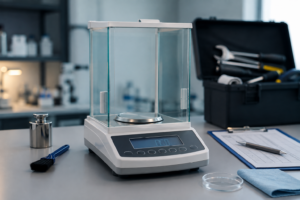
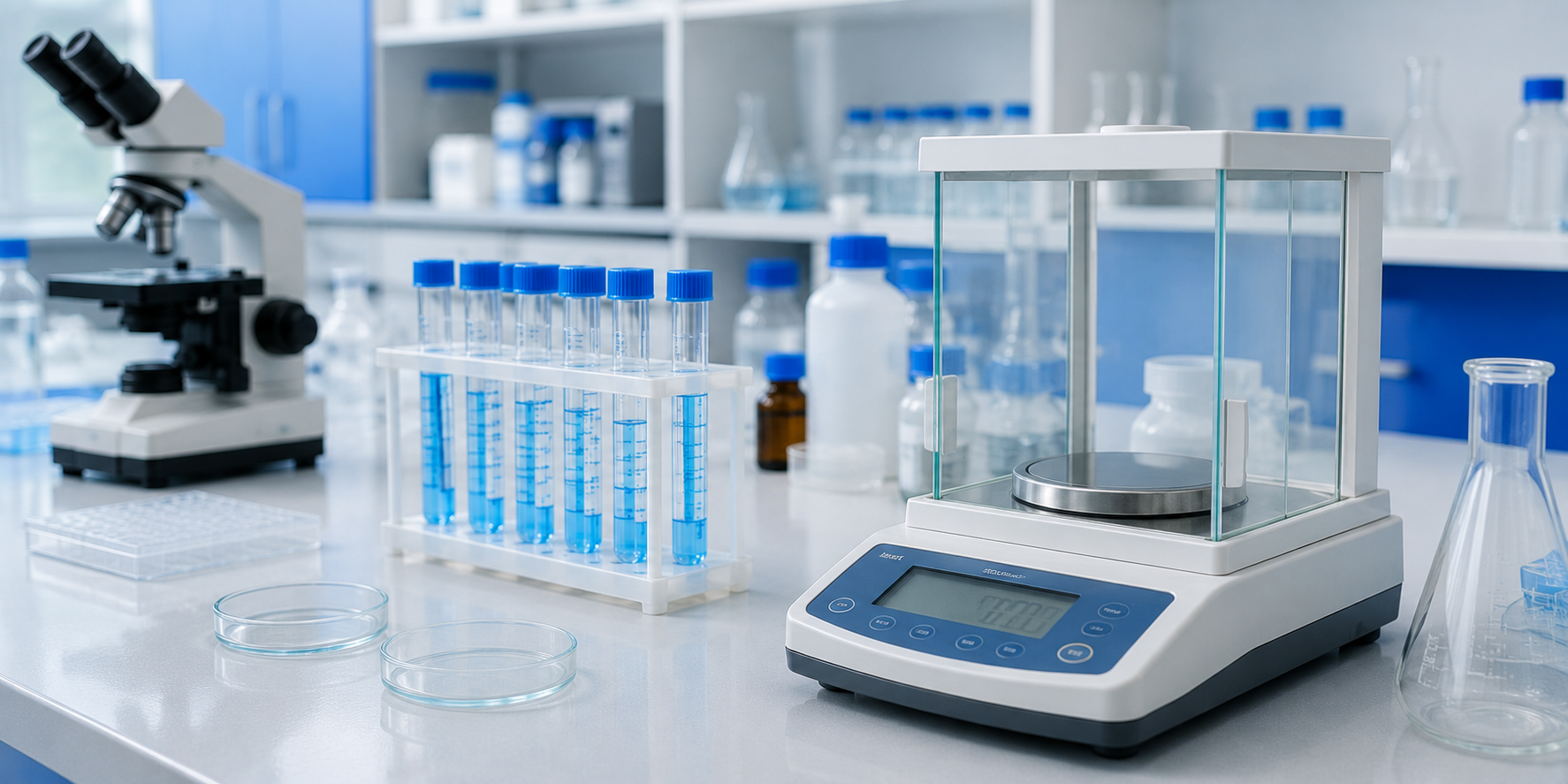
Laboratories often face inconsistent results due to inaccurate weighing, making it essential to choose the right laboratory scale for reliable and precise measurements.
In laboratory environments, even the smallest measurement variation can impact research outcomes, product quality, and compliance standards. Precision is not just a requirement but a foundation for every scientific process carried out in modern labs.
Selecting the right weighing balance for laboratory use plays a major role in ensuring consistent and accurate results. It supports critical applications across pharmaceuticals, chemical analysis, biotechnology, and academic research where even micro-level deviations matter.
A reliable laboratory balance scale helps maintain stability in measurement processes, especially in controlled environments where repeatability is essential. Choosing the right instrument becomes a key decision for laboratories aiming to achieve accuracy, efficiency, and long-term reliability with support from trusted suppliers like Lab Chemicals.
Understanding Laboratory Scales in Scientific Work?
Laboratory scales play an important role in scientific environments where accuracy and consistency are essential. These instruments are designed to measure mass under highly controlled conditions, making them a core part of research and quality testing processes across industries like pharmaceuticals, biotechnology, and chemical manufacturing.
Key Functional Roles:
- Ensuring accurate and repeatable measurements in experiments
- Supporting formulation development and compound testing
- Maintaining compliance in regulated laboratory environments
A weighing balance for laboratory use becomes essential when precision directly impacts research outcomes and product quality. It helps scientists maintain consistency across repeated measurements, reducing the chances of variation in experimental results.
In advanced scientific setups, such instruments ensure stability even under sensitive conditions. This makes them a reliable part of laboratory workflows where accuracy and reproducibility are critical for valid results.
Types of Laboratory Weighing Instruments
Laboratory weighing instruments are designed in different categories to suit varied scientific and industrial applications. The selection mainly depends on the required level of precision, workflow type, and testing environment. Each system serves a specific purpose in ensuring measurement accuracy and operational efficiency.
1. Digital Systems
- Provides quick measurement results
- Simple and user-friendly operation
- Ideal for routine laboratory tasks
A laboratory analytical balance in digital form is commonly used in everyday lab operations where speed and convenience are more important than ultra-fine precision. It supports basic weighing needs in research and quality control workflows.
2. Analytical Systems
- Delivers high-precision readings
- Designed for controlled laboratory conditions
- Supports advanced scientific measurements
These systems are preferred in research-intensive environments where accuracy and repeatability are critical. They help maintain consistency in experiments where even minor deviations can impact outcomes.
Different laboratory setups require different weighing technologies, and selecting the right system ensures better performance, reliability, and consistency in scientific results.
Key Selection Parameters for Laboratory Equipment
Choosing the right laboratory instrument requires careful evaluation of technical specifications and working conditions. Every laboratory has different accuracy needs, and the selection must align with the type of testing being performed to ensure reliable results.
- Accuracy Requirements
- High precision reduces experimental errors
- Essential for chemical and pharmaceutical testing
- Capacity Consideration
- Should match the expected sample weight
- Avoids overload issues
- Environmental Sensitivity
| Factor | Impact on Measurement |
| Airflow | Causes fluctuation |
| Vibration | Reduces stability |
| Temperature | Affects calibration |
Just as temperature and airflow affect balance performance, they also impact other lab instruments learn more in our Ultimate Guide to Laboratory Vacuum Ovens.
A lab analytical balance should always be selected by considering these external factors, as they directly influence measurement stability and performance in sensitive laboratory conditions.
Proper evaluation of these parameters ensures better accuracy, reduced errors, and improved efficiency in daily laboratory operations. A well-chosen instrument also supports consistent results across repeated experiments.
Why Calibration is Critical in Laboratory Accuracy?
In laboratory work, precision is not something that can be assumed over time. Measuring instruments gradually drift, which makes regular calibration an essential part of maintaining trustworthy results.
Calibration helps bring weighing instruments back to their correct measurement standard. A calibrating analytical balance process uses certified reference weights to correct deviations and maintain consistency across repeated laboratory readings.
Importance of Calibration:
- Ensures measurements remain aligned with reference standards
- Helps maintain regulatory and audit compliance in labs
- Reduces variation between repeated experimental results
- Improves reliability in sensitive formulation and testing work
- Supports accuracy in long-term instrument usage
Calibration becomes even more critical in laboratories where minute variations can directly impact formulation accuracy and testing outcomes, especially in pharmaceutical and chemical research environments.
Following a consistent calibration routine allows laboratories to maintain stable measurement performance, ensuring every result remains accurate, reproducible, and aligned with required quality standards.
Choosing the Right Balance for Different Lab Applications
Laboratory work varies widely across industries, and each application demands a specific level of measurement precision. Selecting the right instrument ensures that testing accuracy, efficiency, and workflow consistency are maintained across different use cases.
Analytical Use
- A lab analytical balance is used for experiments requiring very high precision
- Suitable for measuring substances at milligram-level accuracy in controlled environments
Research Applications
- Designed for experiments that require stable and repeatable measurement outcomes
- Commonly applied in formulation studies and advanced laboratory investigations
Routine Work
- A digital balance for laboratory is ideal for everyday weighing tasks
- Prioritises speed and usability over ultra-fine precision in standard lab operations
Each laboratory application demands a different level of accuracy, making instrument selection a critical part of workflow planning. Choosing the right balance ensures smoother operations, better efficiency, and reliable results across all types of laboratory environments.
Common Errors During Equipment Selection
Many laboratories experience performance issues because equipment is not selected based on actual operational requirements. These mistakes often appear small during purchase but later affect accuracy, efficiency, and long-term usability.
Frequent mistakes:
- Ignoring precision requirements
- Selecting the wrong capacity range
- Overlooking calibration needs
- Choosing low-quality instruments based only on price
A laboratory balance scale that is not aligned with application needs can gradually reduce measurement reliability and affect experimental outcomes. Careful evaluation during selection helps prevent operational errors and improves long-term performance of laboratory systems. Choosing the right instrument ensures stable results, better efficiency, and consistent accuracy across all testing processes.
Trusted Sourcing for Laboratory Instruments in India
Reliable sourcing is essential for maintaining accuracy, durability, and compliance in laboratory operations. The performance of a laboratory balance scale depends not only on its specifications but also on the credibility of the supplier from which it is purchased.
What to look for:
- Certified product quality with verified testing standards
- Strong technical support for installation and troubleshooting
- Compliance with industry regulations and laboratory norms
- Availability of calibration services for long-term accuracy
- Assured availability of spare parts and maintenance support
Working with established lab chemicals distributors in India ensures access to genuine, certified instruments suited for regulated laboratory environments. It also helps reduce the risk of errors caused by low-quality equipment. A reliable sourcing partner supports consistent performance, operational stability, and smooth execution of critical testing processes.
Making the Right Choice for Long-Term Accuracy
Selecting the right laboratory equipment plays a direct role in maintaining research quality, regulatory compliance, and overall operational efficiency. Every laboratory decision impacts how consistently and accurately results are achieved across different testing environments.
A lab analytical balance from Lab Chemicals ensures precise measurement in critical laboratory processes. They are designed to support scientific accuracy while maintaining stability in demanding laboratory conditions, helping researchers achieve dependable and repeatable outcomes.
With the right instruments in place, laboratories can improve long-term performance and reduce measurement variability. Upgrade your laboratory precision today with them and choose reliable weighing solutions built for accuracy-driven industries.